
Tsavo West National Park
Home > National Parks > Tsavo West National Park
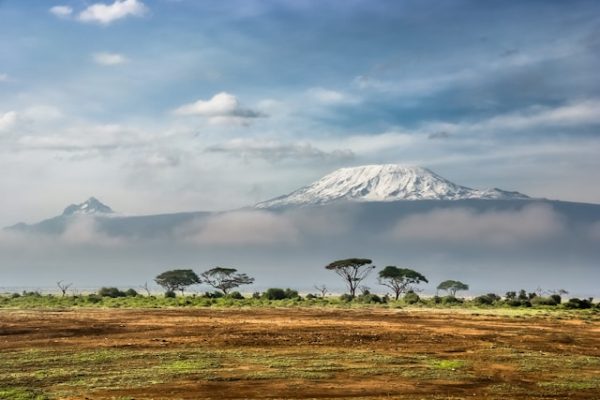
Tsavo West National Park, located in Taita-Taveta County, Kenya, is a renowned wilderness sanctuary and a critical part of the larger Tsavo Conservation Area (TCA). Covering an expansive area of 9,065 $\text{km}^2$ ($\text{3,500 sq mi}$), it is separated from the adjoining Tsavo East National Park by the A109 Nairobi-Mombasa road and railway. Tsavo West is often described as the “Land of Lava, Springs, Man-Eaters, and Magical Sunsets” due to its varied, rugged, and dramatic landscapes, contrasting sharply with the flatter, more arid plains of its eastern counterpart. Established in 1948, the park is managed by the Kenya Wildlife Service (KWS).
Geographical and Historical Context
The park’s topography is diverse, featuring rocky outcrops, volcanic cones, rolling plains, sharp escarpments, and lush riverine vegetation. Notable geological features include:
Shetani Lava Flow: A vast, black field of solidified lava, approximately 8 km long and 1.6 km wide, formed by volcanic eruptions from the nearby Chyulu Hills around 200 years ago. The local name Shetani means “devil” in Swahili, referencing the fiery spectacle locals witnessed.
Chaimu Volcanic Crater: A prominent volcanic cone, also known as the “devil’s crater” in the Kamba language, which visitors can climb for panoramic views.
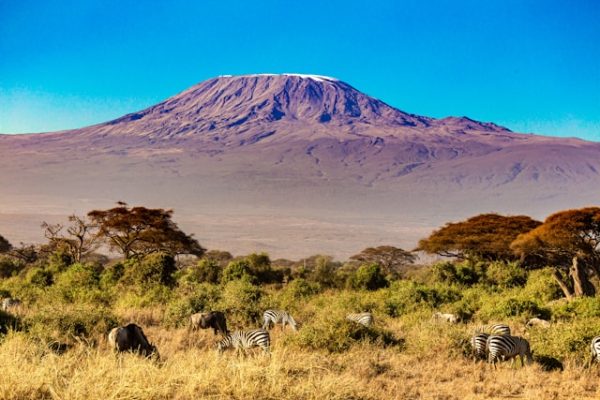
Chyulu Hills: Located on the park’s northern edge, these volcanic mountains are a vital water catchment area and offer scenic views, often with Mount Kilimanjaro visible on clear days.
Historically, Tsavo gained notoriety in 1898 during the construction of the Uganda Railway when a pair of maneless male lions—the “Maneaters of Tsavo”—preyed on construction workers, reportedly killing scores of people before being hunted. The park was also a battleground during the East African Campaign of World War I.
Major Attractions and Wildlife
Tsavo West is a highly popular safari destination due to its diverse attractions and more accessible water sources, making game viewing generally rewarding despite the thick vegetation in some areas:
Mzima Springs: A magnificent oasis where over 200 million liters of crystal-clear water, originating from underground rivers in the Chyulu Hills, gush out daily. It’s a key water source for Mombasa city. Visitors can use an underwater viewing chamber to observe aquatic life, including hippos and Nile crocodiles, in their natural environment.
Ngulia Rhino Sanctuary: A crucial, fenced-off reserve dedicated to the protection and breeding of the critically endangered Eastern Black Rhinoceros. This sanctuary has been instrumental in helping the black rhino population recover from the brink of extinction due to poaching.
Roaring Rocks: A high vantage point offering stunning 360-degree views of the park’s vast landscape and a great spot for game viewing and bird watching.
Lake Jipe: A large lake on the border with Tanzania, teeming with aquatic life and an excellent location for bird watching and boating safaris.
This unique hydrology creates a year-round green oasis in an otherwise arid region
Wildlife
Tsavo West is a haven for a variety of animals and is home to the African Big Five: Lion, Leopard, Elephant, Buffalo, and Rhinoceros (found primarily in the Ngulia Sanctuary).
Other notable wildlife includes:
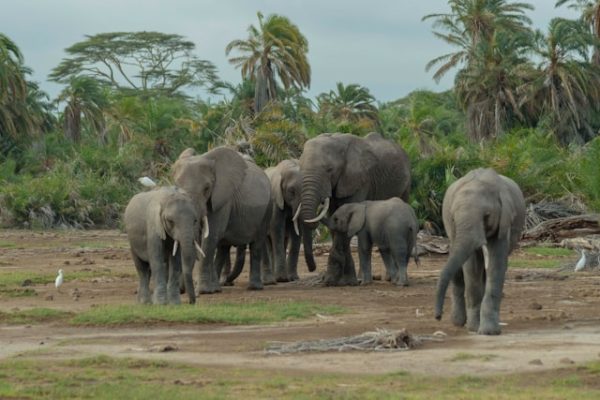
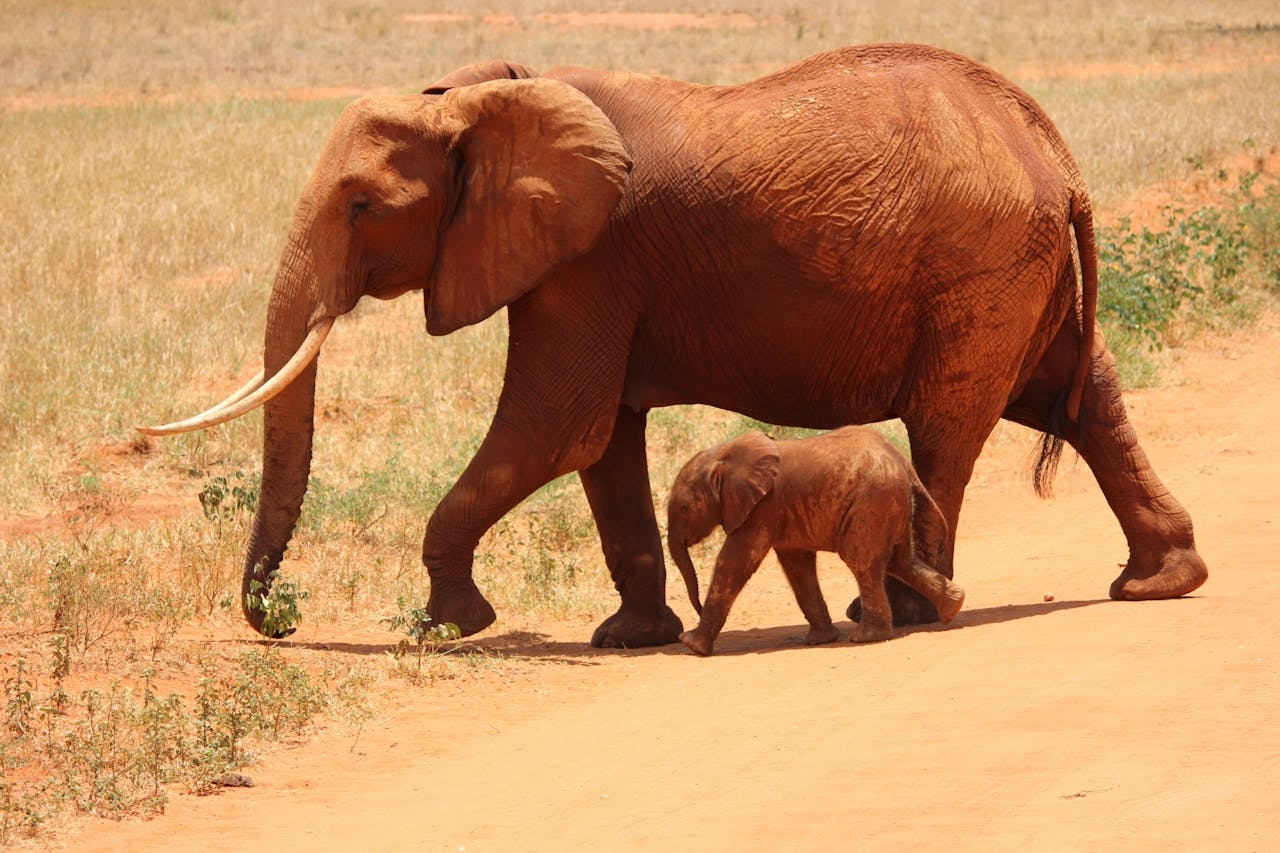
Elephants: Known for rolling in the park’s red dust, giving them a distinct reddish hue.
Antelope Species: Such as the Lesser Kudu, Fringe-eared Oryx, Gerenuk, Impala, and Hartebeest.
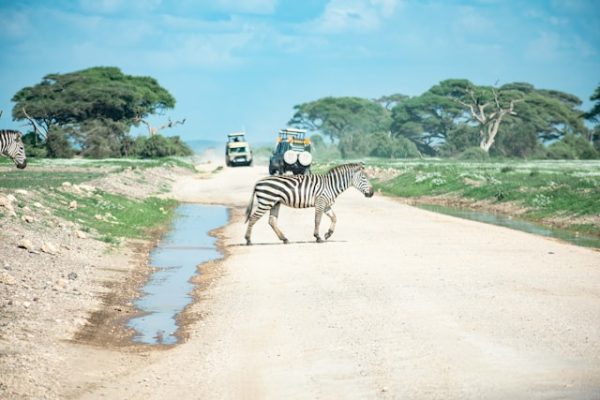
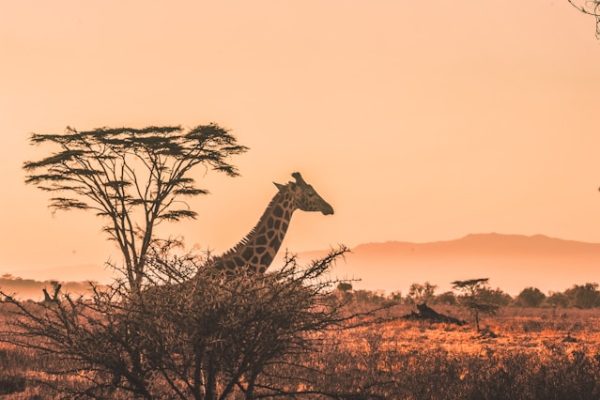
Other Mammals: Including Cheetahs, Hippos (at Mzima Springs), Giraffes, Zebras, and various smaller predators and primates.
Birdlife: Over 600 recorded species make it an Important Birding Area. The Ngulia Hills are a major migratory route, attracting bird ringers and enthusiasts, particularly between October and January.
Conservation Efforts and Significance
The Tsavo Conservation Area, encompassing Tsavo West, Tsavo East, and Chyulu Hills National Parks, is a cornerstone of Kenya’s conservation strategy.
Rhino Protection: The Ngulia Rhino Sanctuary is a flagship conservation success, actively protecting and monitoring the black rhino population.
Wildlife Corridors: The vastness of the TCA maintains vital migration corridors for large mammals, especially elephants, ensuring genetic diversity and species health across the larger ecosystem, including connections to Amboseli National Park.
Anti-Poaching: The park is a focus for continuous anti-poaching efforts and wildlife monitoring by KWS and conservation partners to combat the threats of illegal wildlife trafficking.
Community Engagement: Conservation efforts often include working with local communities to mitigate human-wildlife conflict, which is a prevalent issue in areas adjacent to the park, especially concerning elephants raiding crops or predation on livestock.
Tsavo West’s unique blend of spectacular scenery, historical intrigue, and rich biodiversity secures its position as an essential and compelling destination for eco-tourism and a critical asset to Kenya’s natural heritage.
Other National Parks
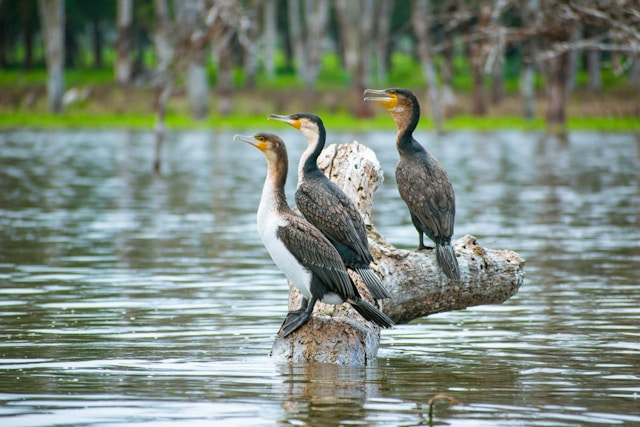
Lake Naivasha
Known for its scenic beauty, being a popular destination for wildlife viewing by boat
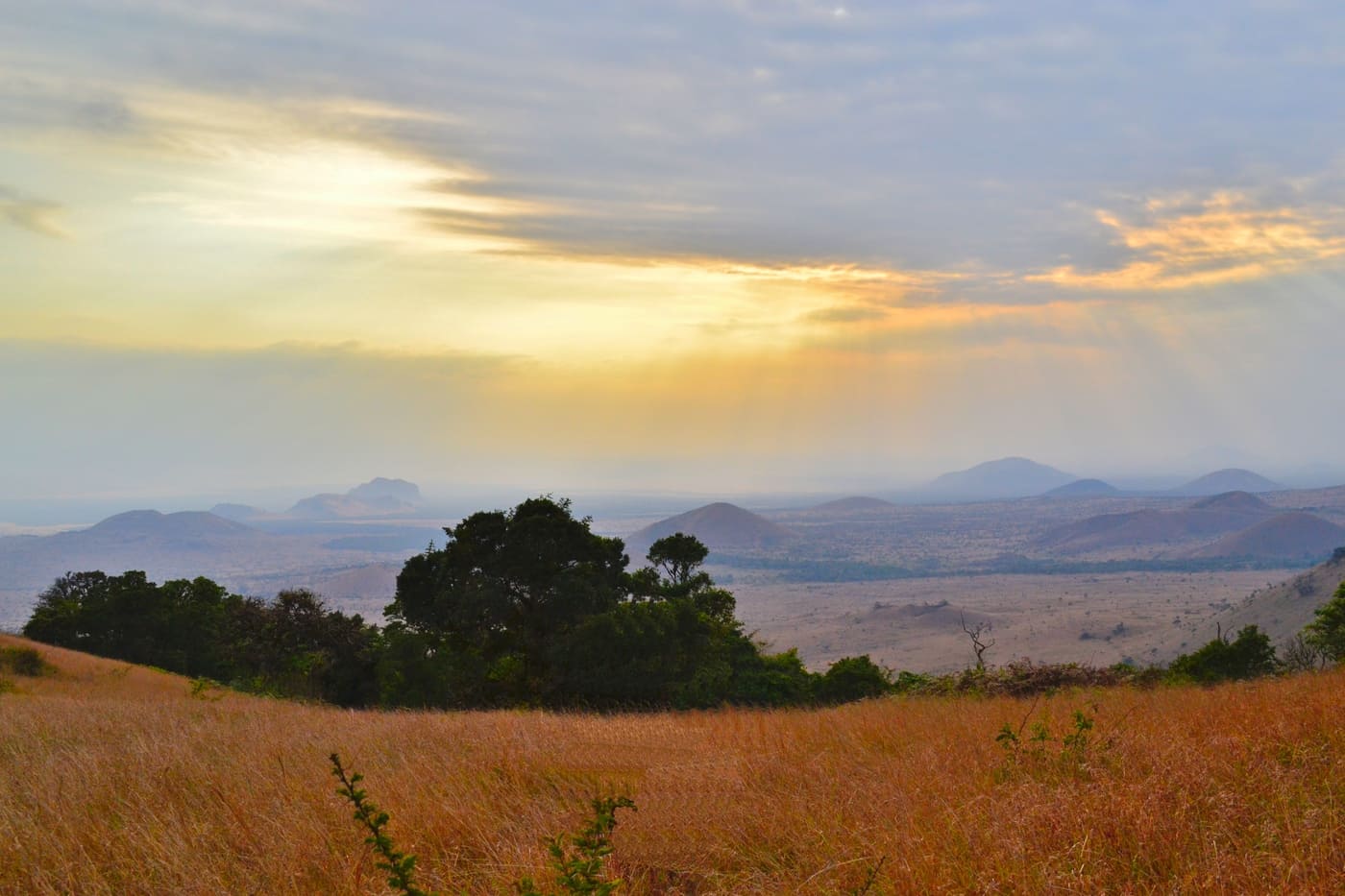
Chyulu Hills
Offers stunning scenery with views of Mount Kilimanjaro
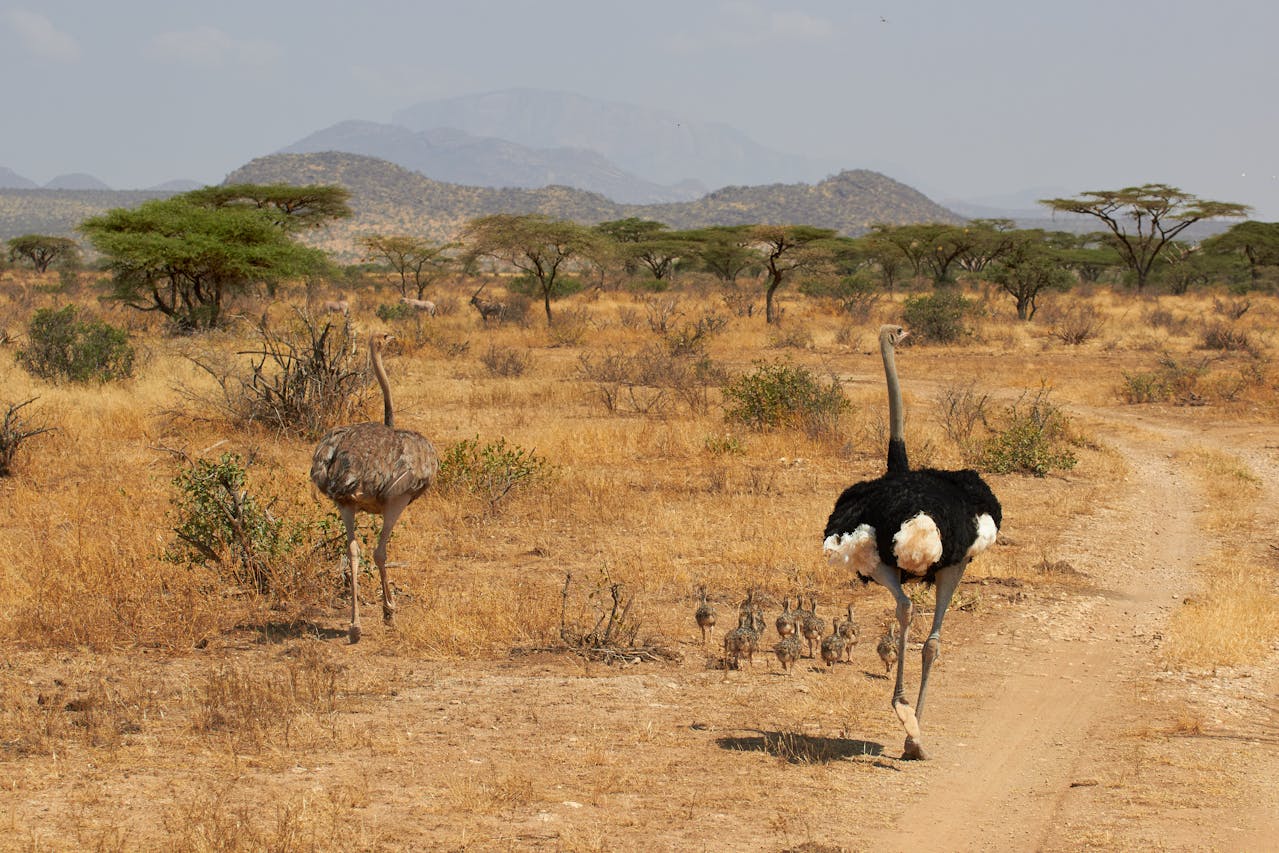
Samburu
A rugged, remote wildlife sanctuary located in the northern part of Kenya
Tsavo East
The largest national park in Kenya with major attraction of red-soiled elephants