
Lake Naivasha
Home > National Parks > Lake Naivasha
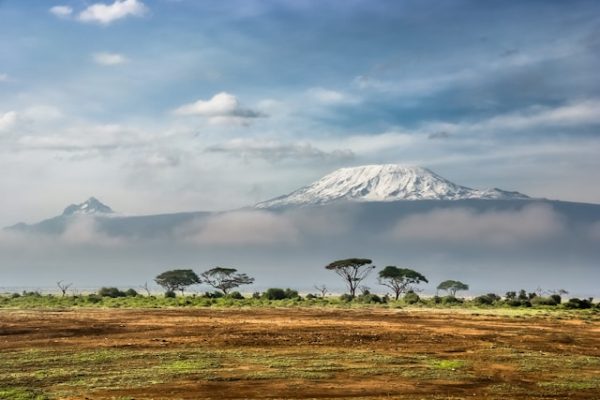
Lake Naivasha is a captivating geographical feature and a vital ecological treasure located in the heart of Kenya’s Great Rift Valley. It stands out among the rift’s lakes as a rare, high-altitude, freshwater body. Often called the “Jewel in the Crown of all the East African lakes,” it is a major recreational area for Nairobi residents and a significant ecological site, famed for its abundant wildlife, particularly its large hippopotamus population and diverse birdlife.
Geographical and Geological Profile
Location: Situated in Nakuru County, Kenya, just northwest of the town of Naivasha and about 90 kilometers from Nairobi.6 It lies on the eastern arm of the East African Rift System.
Elevation: It sits at an impressive altitude of 1,884 meters (6,181 ft) above sea level, making it the highest lake in the Eastern Rift Valley.7
Hydrology: Lake Naivasha is unique because, unlike many other closed-basin lakes in the Rift Valley that are highly alkaline, it is freshwater.8 It is primarily fed by the perennial Malewa and Gilgil Rivers. Despite having no visible outlet, the water remains fresh, which is attributed to an underground seepage/outflow and natural sedimentation processes that remove salts.9
Size Fluctuation: The lake’s size is highly dependent on rainfall.10 While often cited as covering about $139\ \text{km}^2$, its area can fluctuate significantly; in the mid-1970s, it covered about $210\ \text{km}^2$, but it has also nearly dried up in the past (e.g., in the 1890s). The shoreline is lined with extensive papyrus swamps that add to the overall wetland area.11
Wildlife and Ecosystem
Aquatic Life: It is home to an impressive number of hippos, with estimates suggesting a population of over 1,500 individuals who spend much of their time submerged. The lake also supports various fish species, though the ecosystem has been altered by the introduction of species like Tilapia and Common Carp.
Avian Haven: It is a paradise for birdwatchers, boasting over 400 bird species. Sightings often include African Fish Eagles, pelicans, cormorants, herons, and kingfishers.
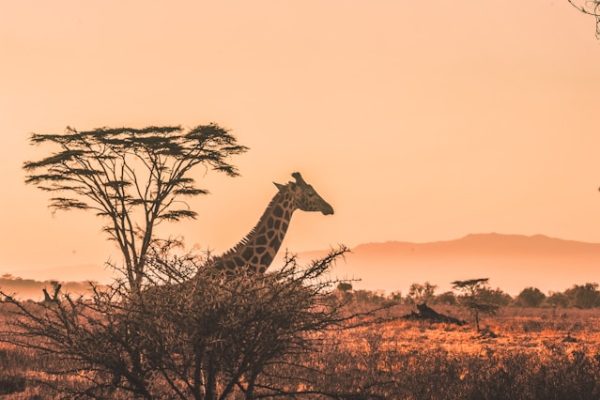
Shoreline Mammals: The surrounding acacia woodlands and swamps are frequented by wildlife such as waterbuck, zebra, giraffe, and buffalo.
Economic Importance and Concerns
Agriculture: It is central to Kenya’s horticulture and floriculture industry, providing essential water for irrigating the vast flower farms that make Kenya a major global exporter.
Livelihoods: Fishing remains a vital source of employment and food for the local population.
Conservation Challenges: The ecological balance is fragile. Over-abstraction of water for irrigation, encroachment on the wetlands, and pollution from agricultural runoff pose significant threats to the lake’s level and water quality.
Activities & Attractions
Boat Safaris: Guided boat trips are the primary way to get close to the hippos and observe the abundant birdlife on the water.
Crescent Island Game Sanctuary: A short boat ride takes visitors to this predator-free island, which allows for safe walking safaris among plains game.
Hell’s Gate National Park: Easily accessible, this park offers unique experiences like hiking and cycling amidst dramatic volcanic landscapes, including gorges and towering cliffs.
Mount Longonot: For the adventurous, climbing the nearby dormant volcano, Mount Longonot, provides spectacular views of the Rift Valley.
Historical Significance: The area has historical ties, including being a landing site for early air travel and the former home of naturalist Joy Adamson (author of Born Free).
Lake Naivasha stands as a truly unique gem within the Great Rift Valley—a rare, high-altitude freshwater haven teeming with avian life and supporting iconic megafauna like the hippopotamus. It is simultaneously an irreplaceable ecological landmark, recognized as a Ramsar Site, and the economic lifeline for Kenya’s flourishing flower industry and local communities. The future of this vital resource hinges on effectively balancing its immense commercial value with the critical need for sustainable water management, ensuring this “Jewel in the Crown” continues to thrive for generations to come.
Other National Parks
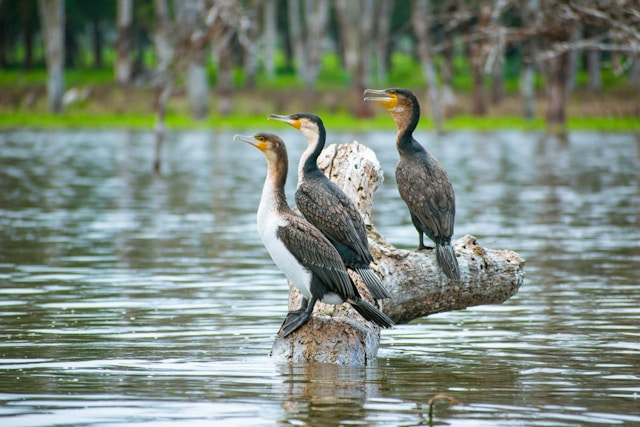
Lake Naivasha
Known for its scenic beauty, being a popular destination for wildlife viewing by boat
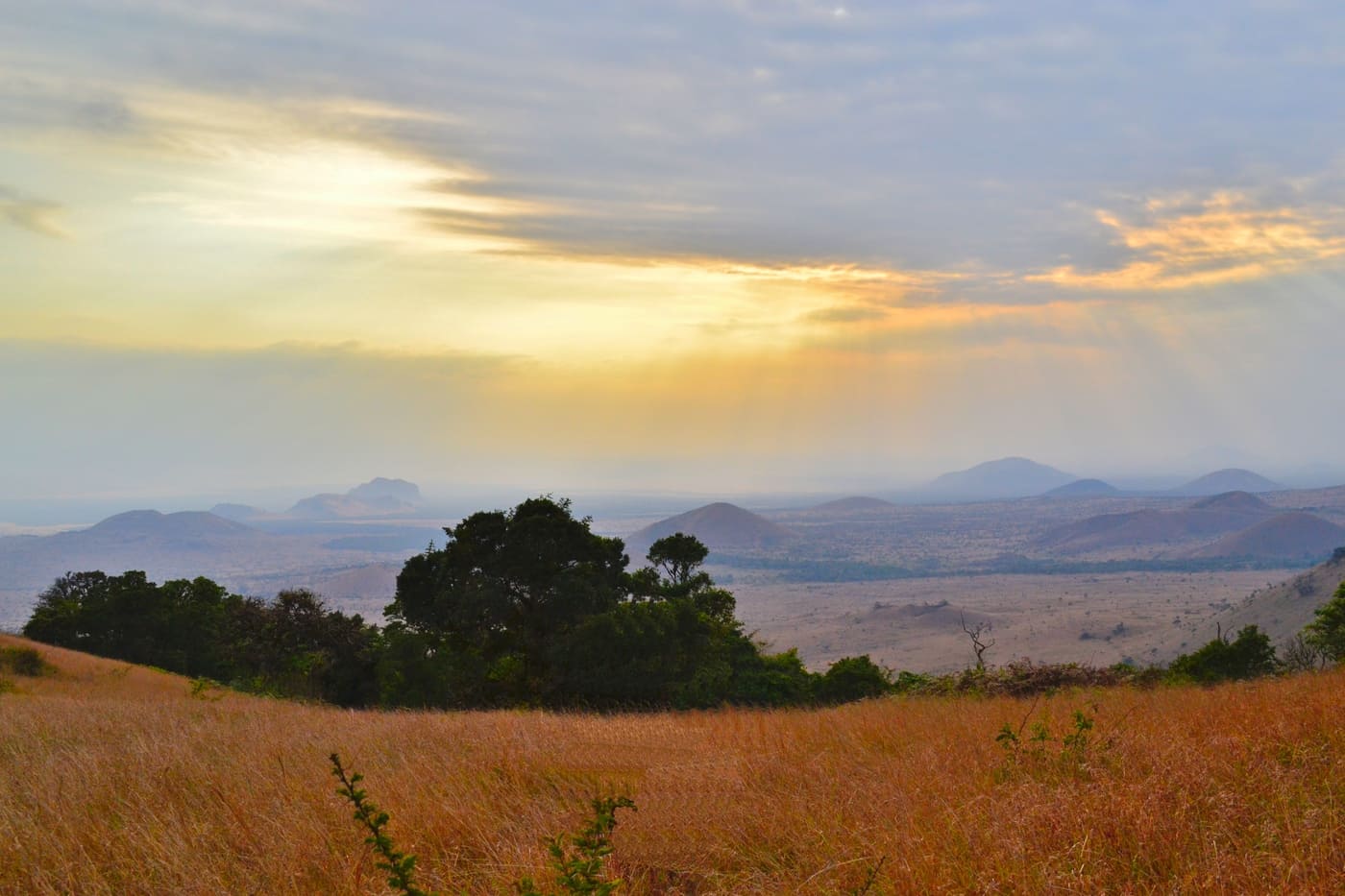
Chyulu Hills
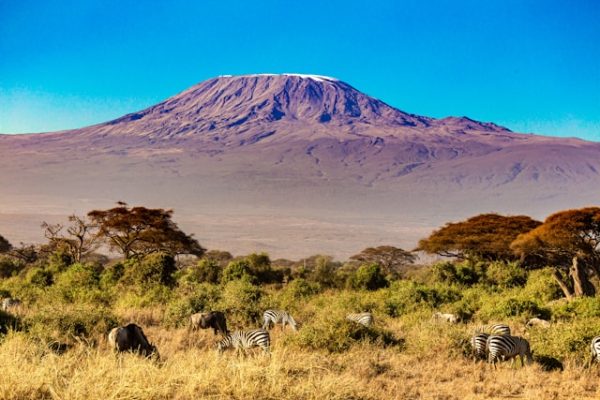
Offers stunning scenery with views of Mount Kilimanjaro
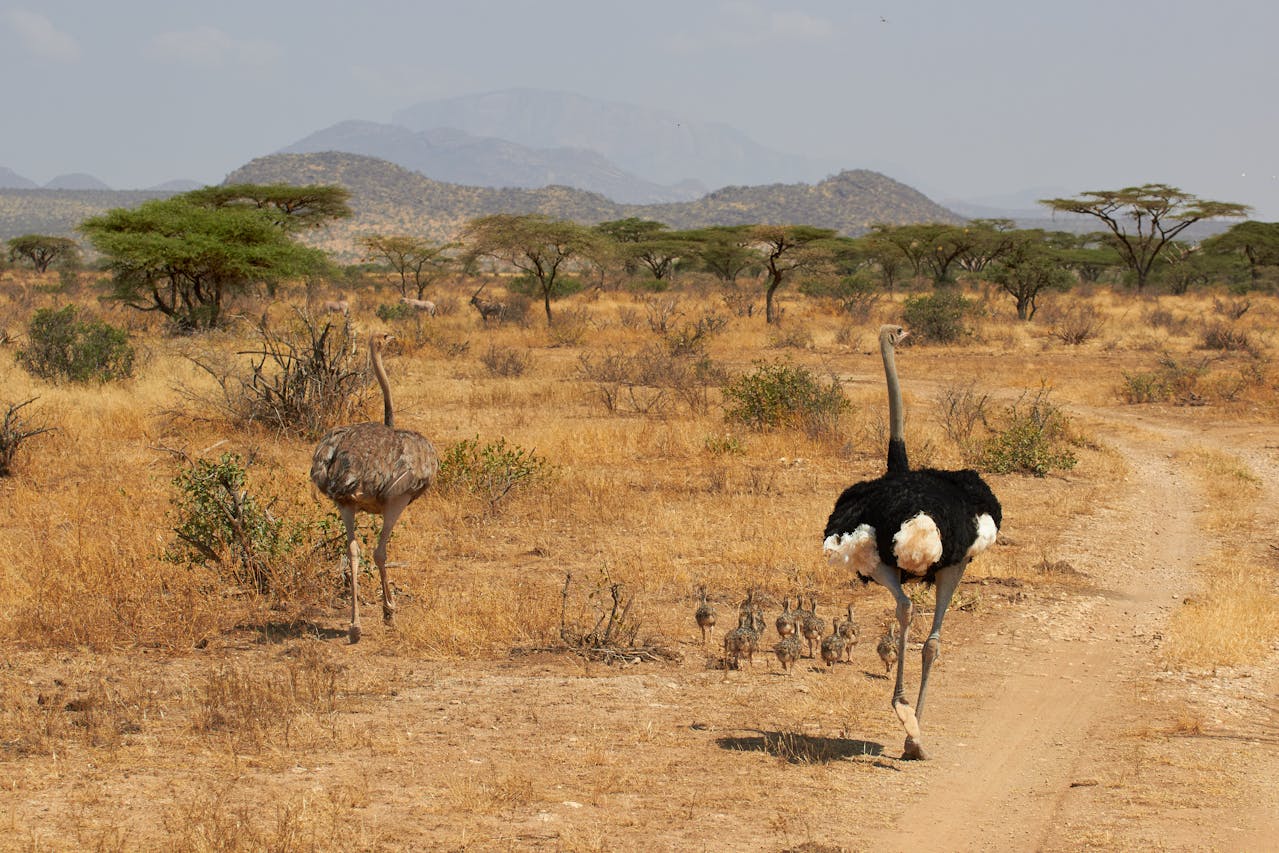
Samburu
A rugged, remote wildlife sanctuary located in the northern part of Kenya
Tsavo East
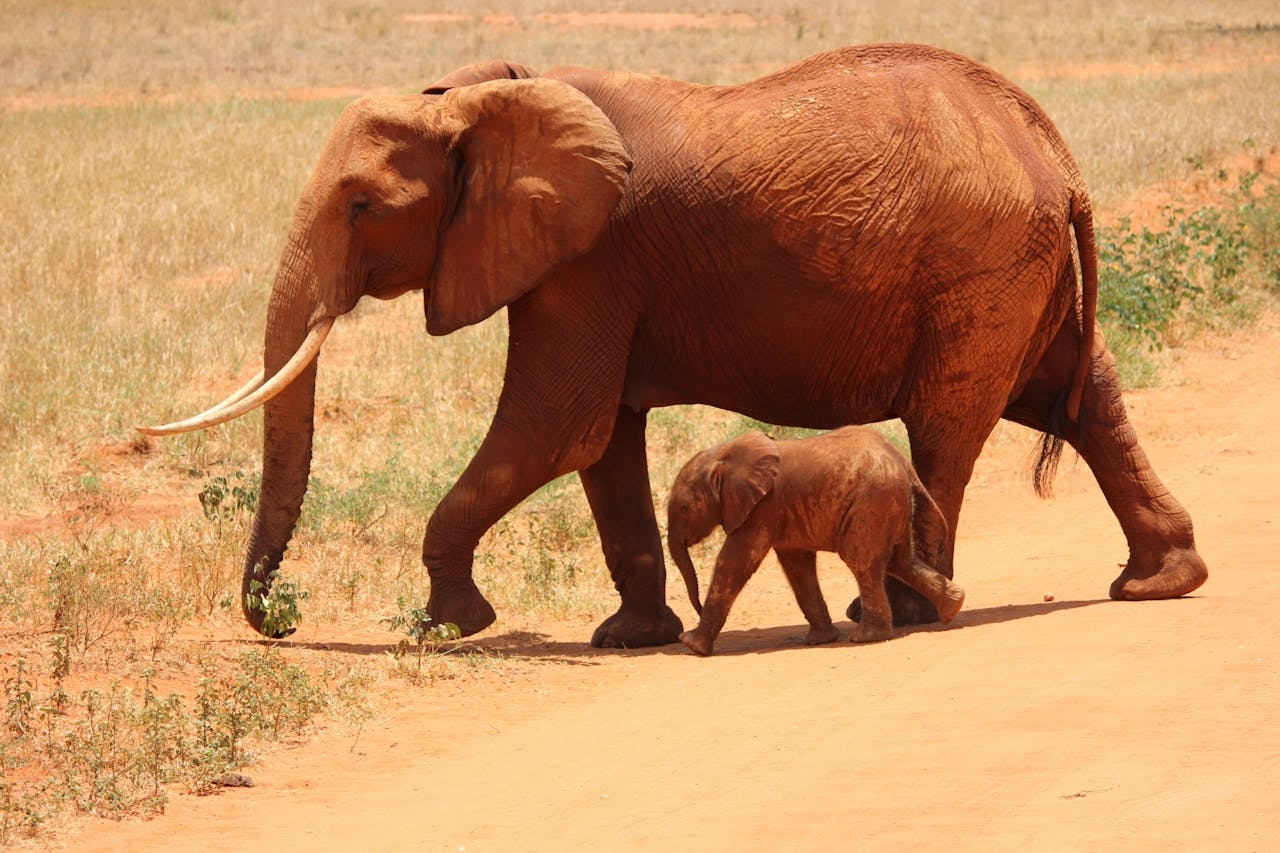
The largest national park in Kenya with major attraction of red-soiled elephants