
Samburu National Reserve
Home > National Parks > Samburu National Reserve
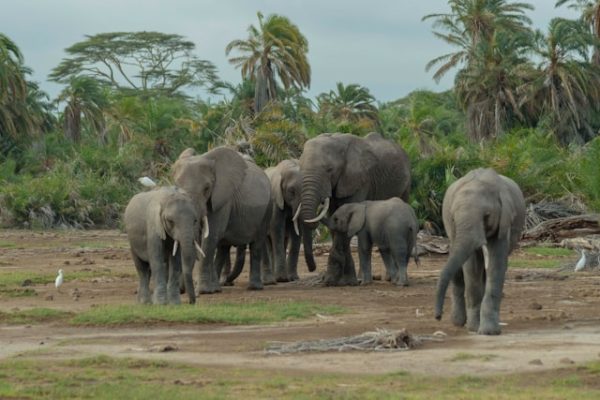
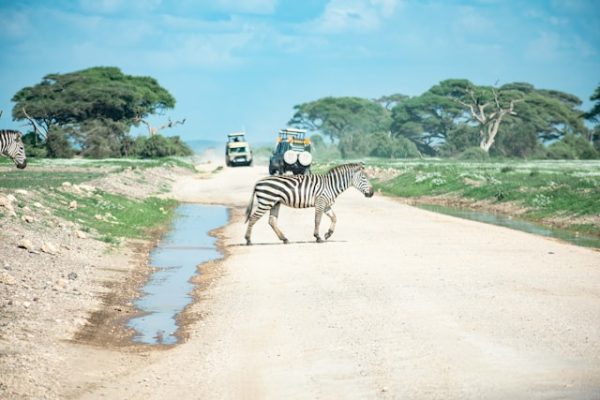
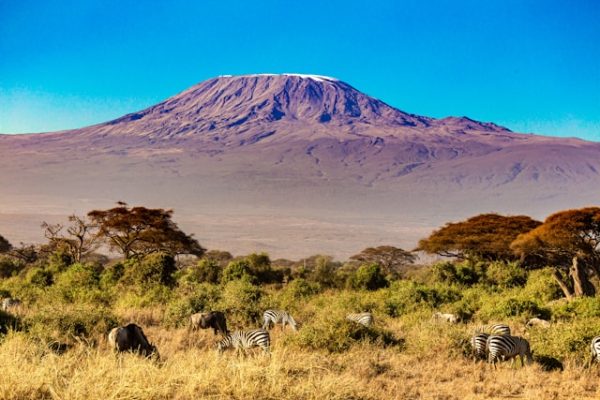
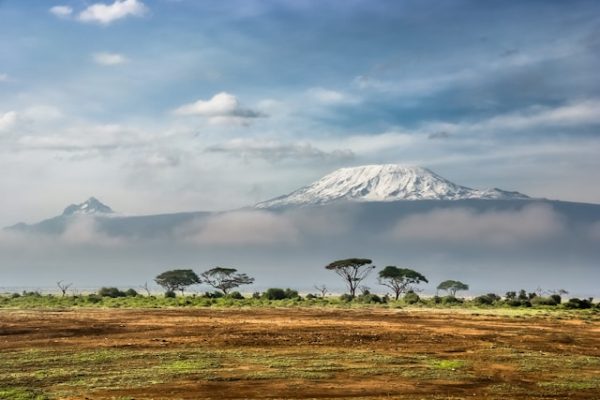
Samburu National Reserve is situated in Samburu County, approximately 350 km north of Nairobi. It covers an area of about 165 square kilometers (64 sq mi). The reserve’s lifeline is the Ewaso Ng’iro River (meaning “brown water” in the local language), which flows through the semi-arid landscape. This river is a permanent water source, attracting a dense concentration of wildlife, particularly during the dry season. The rugged terrain, characterized by acacia woodlands, rocky hills, and doum palm groves, provides a dramatic and authentic wilderness setting
Unique Wildlife: The Samburu Special Five
Grevy’s Zebra : The largest and most endangered zebra species, distinguished by its narrow, close-set stripes and large, rounded ears.11
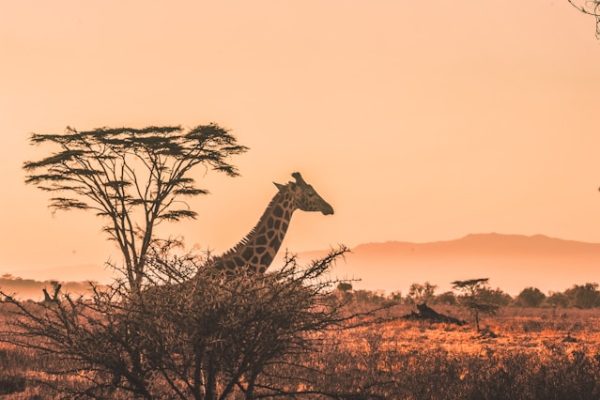
Reticulated Giraffe : Recognized by its distinct, geometrically patterned, liver-red coat with sharply defined white lines.13
Gerenuk (or “Giraffe Gazelle”): A long-necked, slender antelope famous for its habit of standing on its hind legs to reach higher foliage.14
Beisa Oryx: A striking antelope with long, straight horns, adapted to endure long periods without water.16
Somali Ostrich ): The largest bird species, distinguished from the common ostrich by the blue-gray skin on its neck and thighs.18
History and Cultural Significance
The reserve is the traditional homeland of the Samburu people, a semi-nomadic pastoralist community closely related to the Maasai. Their vibrant culture, traditional dress, and cattle-based economy are deeply intertwined with the land and the ecosystem. Visitors can often engage in cultural visits to local villages, which provide a fascinating insight into their unique way of life.
Samburu also has a notable history in conservation, having been one of the two areas where conservationists George and Joy Adamson raised Elsa the Lioness, made famous by the book and film Born Free. More recently, the reserve gained international attention for the remarkable story of Kamunyak, a lioness that adopted several baby Oryx calves.
Activities & Attractions
Visit to Samburu National Reserve can enjoy:
- Game Drives
- Birdwatching
- Cultural Tours
- Guided Nature Walks and Camel Trekking Safaris
- Astro-tourism
Lodges and camps range from luxury to budget-friendly, many offering panoramic views and night-time wildlife sightings
Conservation and Challenges
Conservation Efforts
Community-Led Conservation: Partnerships with the Samburu people through community conservancies help manage the land and ensure local communities benefit economically from tourism.
Research Projects: Organizations like Save the Elephants and the Grevy’s Zebra Trust conduct vital research, including GPS tracking of animals to understand migration patterns and mitigate human-wildlife conflict.
Challenges
Water Scarcity and Climate Change: The arid nature of the region makes it highly vulnerable to prolonged droughts, which severely impact water and food availability, leading to high animal mortality and increased competition between wildlife and livestock.
Human-Wildlife Conflict: Competition for limited resources, especially water and grazing land, leads to conflict as animals like elephants and lions wander outside protected areas into community lands.
Poaching: Although largely contained, the threat of poaching, particularly for elephant ivory and bushmeat, remains a concern, requiring continuous anti-poaching patrols and community vigilance.
Other National Parks
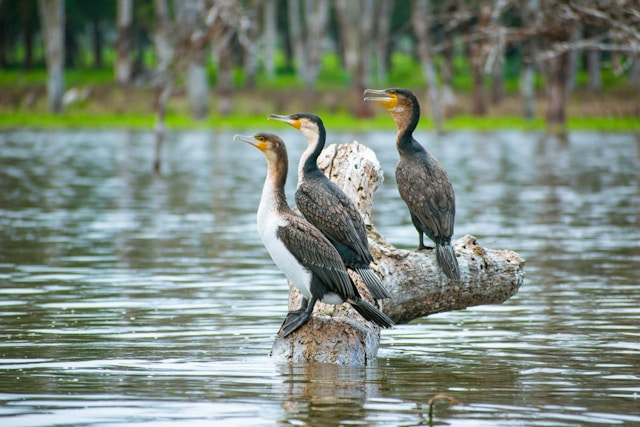
Lake Naivasha
Known for its scenic beauty, being a popular destination for wildlife viewing by boat
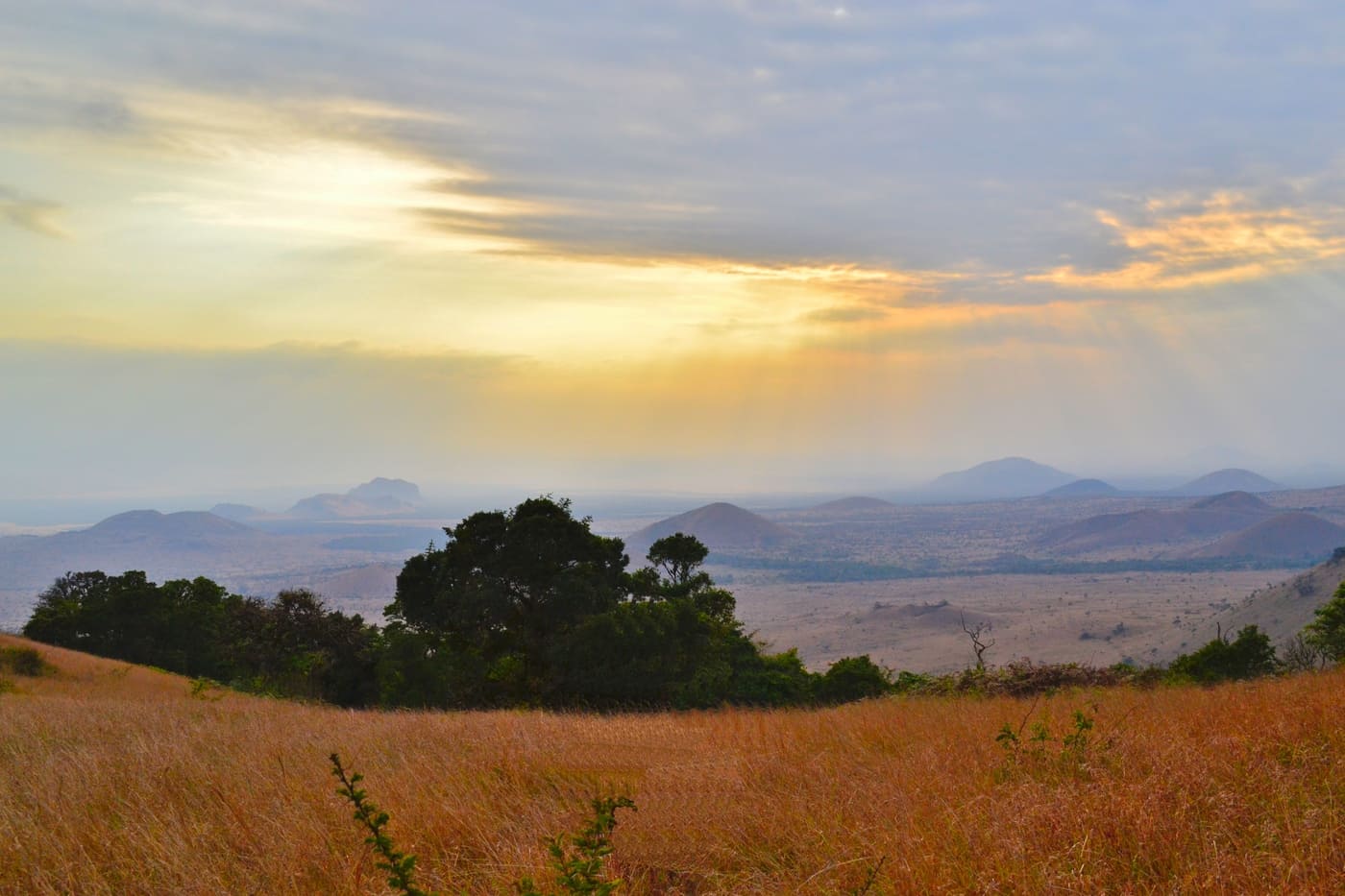
Chyulu Hills
Offers stunning scenery with views of Mount Kilimanjaro
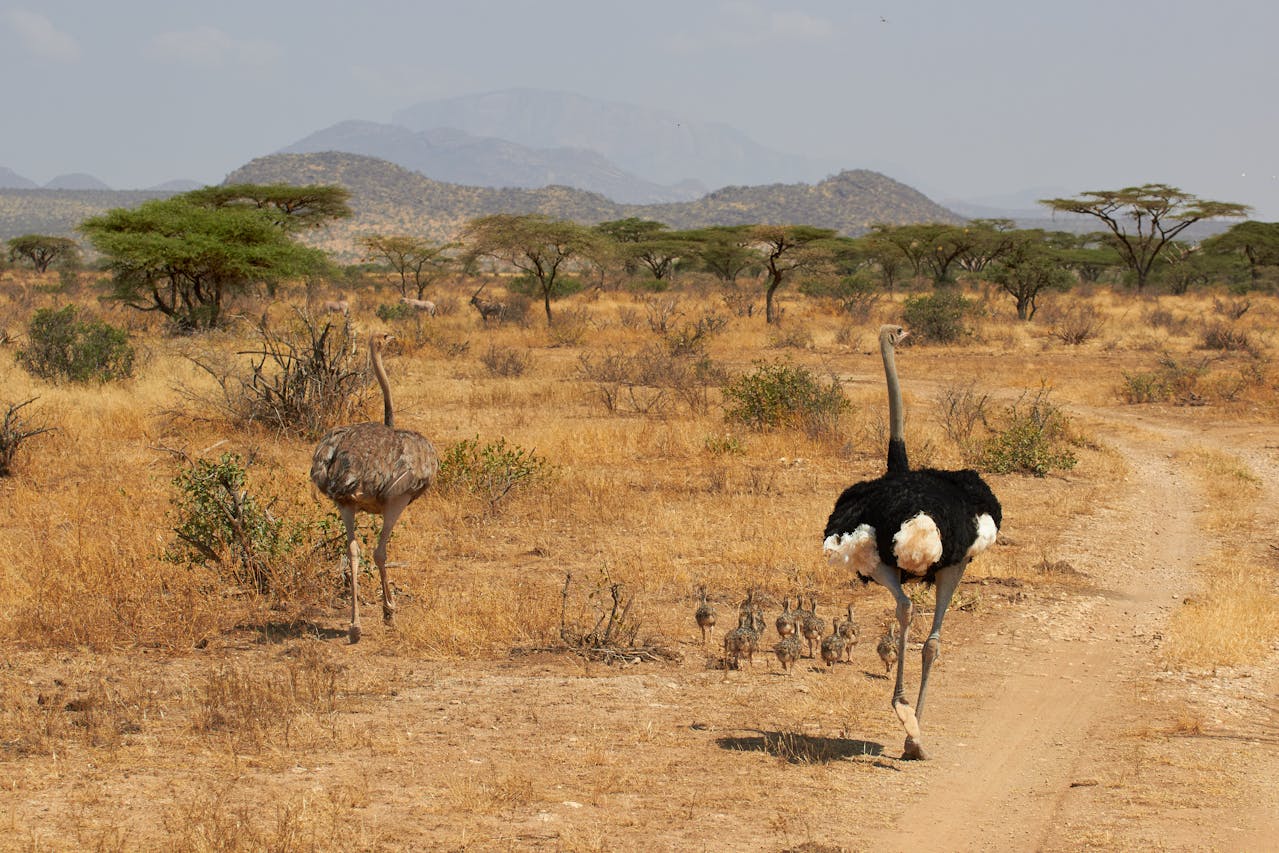
Samburu
A rugged, remote wildlife sanctuary located in the northern part of Kenya
Tsavo East
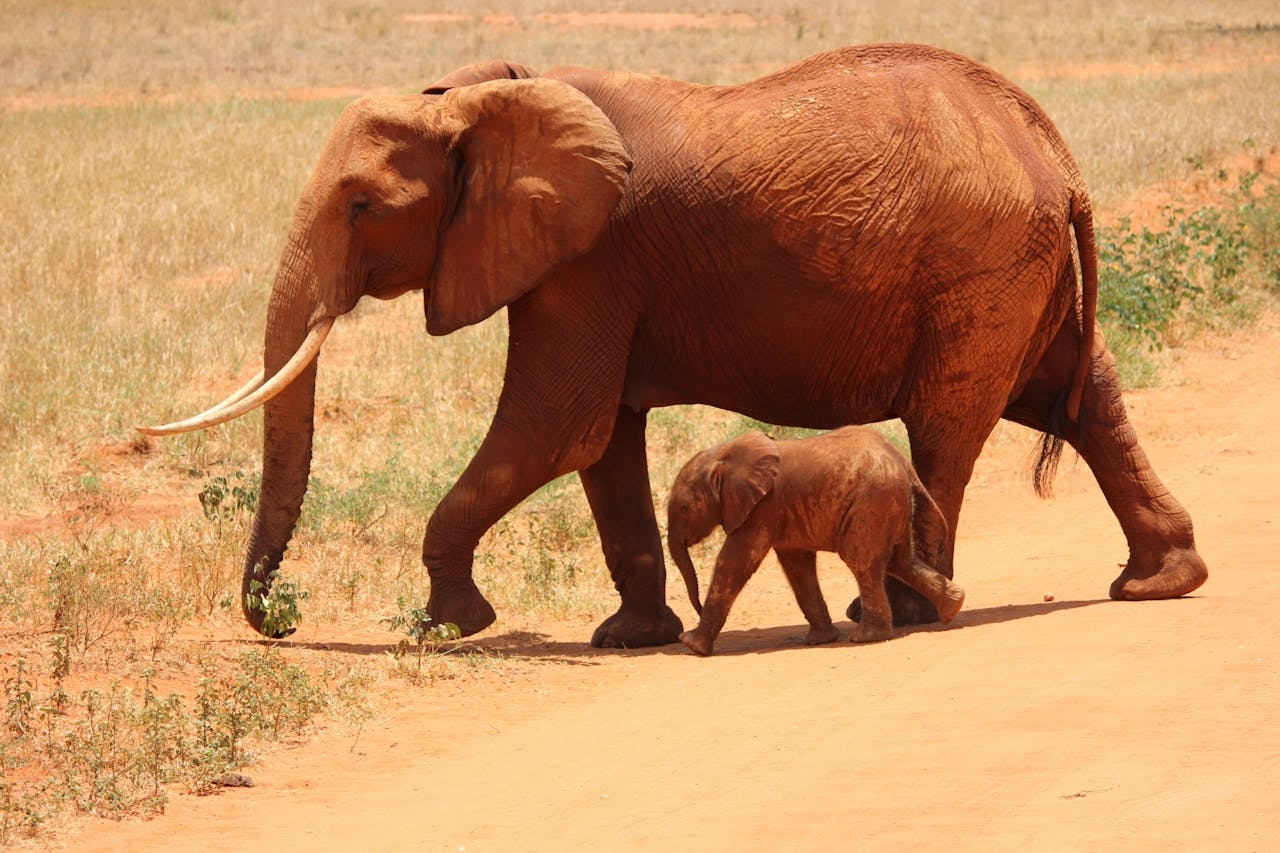
The largest national park in Kenya with major attraction of red-soiled elephants