
Tsavo East National Park
Home > National Parks >Tsavo East National Park
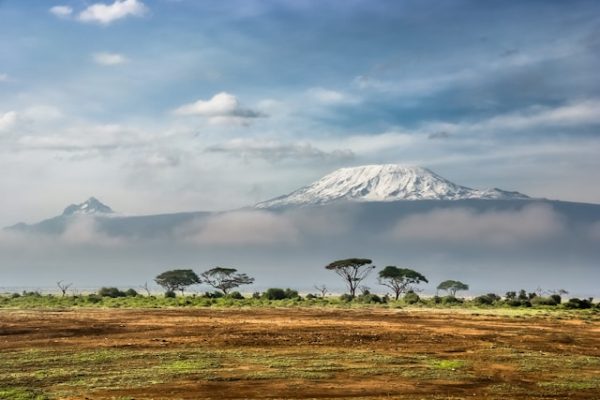
Tsavo East National Park is one of the oldest and largest national parks in Kenya, renowned globally for its vast, undeveloped wilderness and incredible biodiversity. It is often nicknamed the “Theatre of the Wild” and forms the larger eastern section of the greater Tsavo Conservation Area, separated from Tsavo West by the Nairobi-Mombasa highway and railway line.
Geography and Main Features
The park’s topography is generally flat and dry, dominated by open savannah grasslands, semi-arid acacia scrub, and woodland. The sparse vegetation in many areas makes for excellent game viewing.
Key geographical and scenic attractions include:
Galana River: Formed by the confluence of the Athi and Tsavo Rivers, it is the lifeblood of the park, supporting large populations of wildlife, particularly during the dry season.
Lugard Falls: A spectacular series of white water rapids on the Galana River, where the water cascades over interestingly shaped, eroded rocks.
Yatta Plateau: Running along the western boundary, this is the world’s longest lava flow, stretching for approximately 290 km, formed by lava from Ol Donyo Sabuk Mountain.
Mudanda Rock: A 1.6 km long stratified rock inselberg that serves as a natural water catchment, supplying a dam below. This vantage point offers superb views of the landscape and the hundreds of animals, especially elephants, that gather to drink.
Aruba Dam: A man-made reservoir built in 1952 across the Voi River, which has created a popular waterhole for animals and a superb bird-watching site.
Wildlife and Biodiversity
Tsavo East is a critical biodiversity stronghold and one of the best places in Africa for game viewing. It is home to the famed “Big Five”—Lion, Leopard, Elephant, Buffalo, and Rhino.
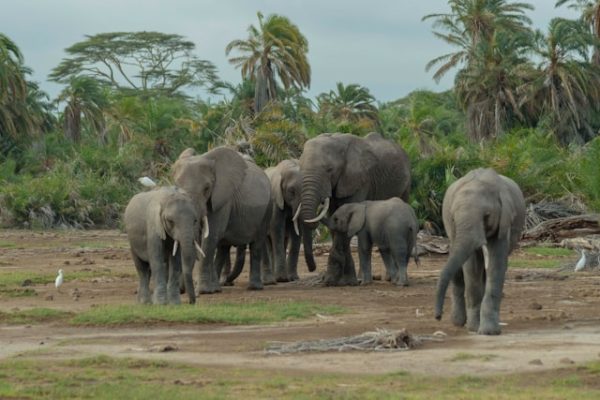
Red Elephants: The park is most famous for its huge herds of elephants, which are often coated in a striking red dust after dust-bathing in the park’s iron-rich soil. Tsavo holds one of the largest elephant populations in Kenya.
Predators: Along with Lions (notably the maneless male population), the park is home to Leopards, Cheetahs, Hyenas, and the endangered African wild dog.
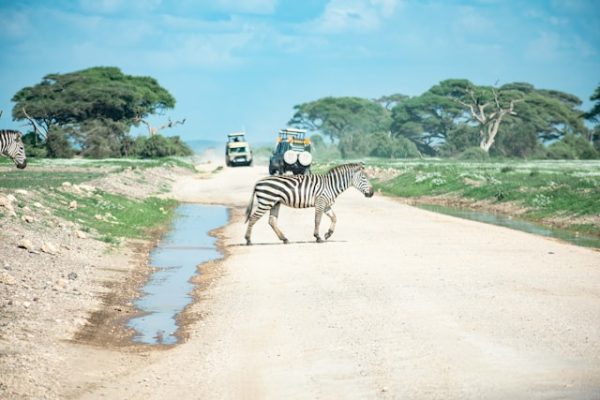
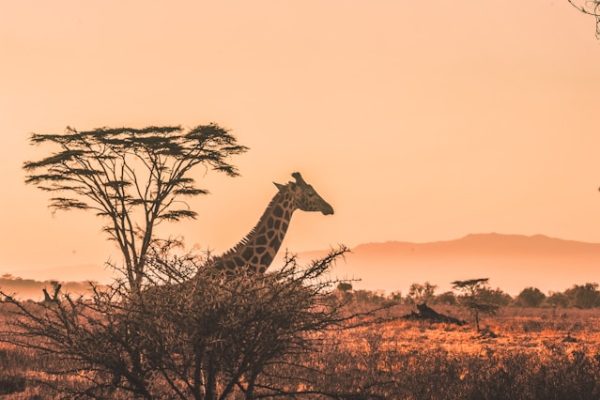
Other Mammals: Visitors frequently spot diverse species, including Giraffes (Masai and Reticulated), Plains Zebra, Hippos, Crocodiles (in the rivers), Lesser Kudu, Gerenuk, Waterbuck, Impala, and Hartebeest. The Gerenuk (or ‘giraffe gazelle’) is a particularly interesting sight, often standing on its hind legs to browse on sparse foliage.
Birdlife: The park is a birdwatcher’s paradise, boasting over 500 recorded bird species, including ostriches, secretary birds, hornbills, and various raptors.
Conservation and Significance
Tsavo East is a crucial area for conservation in Kenya.
Anti-Poaching: Following a massive decline in rhino and elephant populations during the poaching crisis of the 1970s and 80s, the Kenya Wildlife Service (KWS) and various trusts have intensified anti-poaching efforts, utilizing patrols and modern surveillance.
Rhino Sanctuary: The broader Tsavo Conservation Area includes a Black Rhino Sanctuary, essential for the survival of this critically endangered species.
Human-Wildlife Conflict Mitigation: Innovative projects, such as the use of beehive fences (elephants naturally avoid bees), are employed to deter crop-raiding elephants and promote peaceful coexistence with local communities.
Ecosystem Health: Conservation focuses on maintaining the diverse habitats, particularly the vital Galana River corridor, and mitigating the effects of drought and climate change, which pose ongoing threats to the fragile ecosystem.
Other National Parks
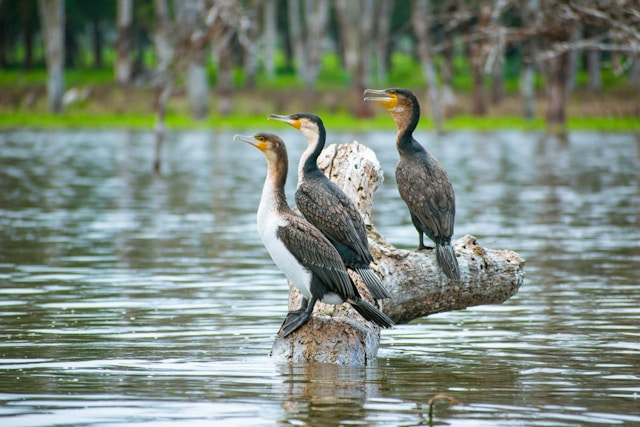
Lake Naivasha
Known for its scenic beauty, being a popular destination for wildlife viewing by boat
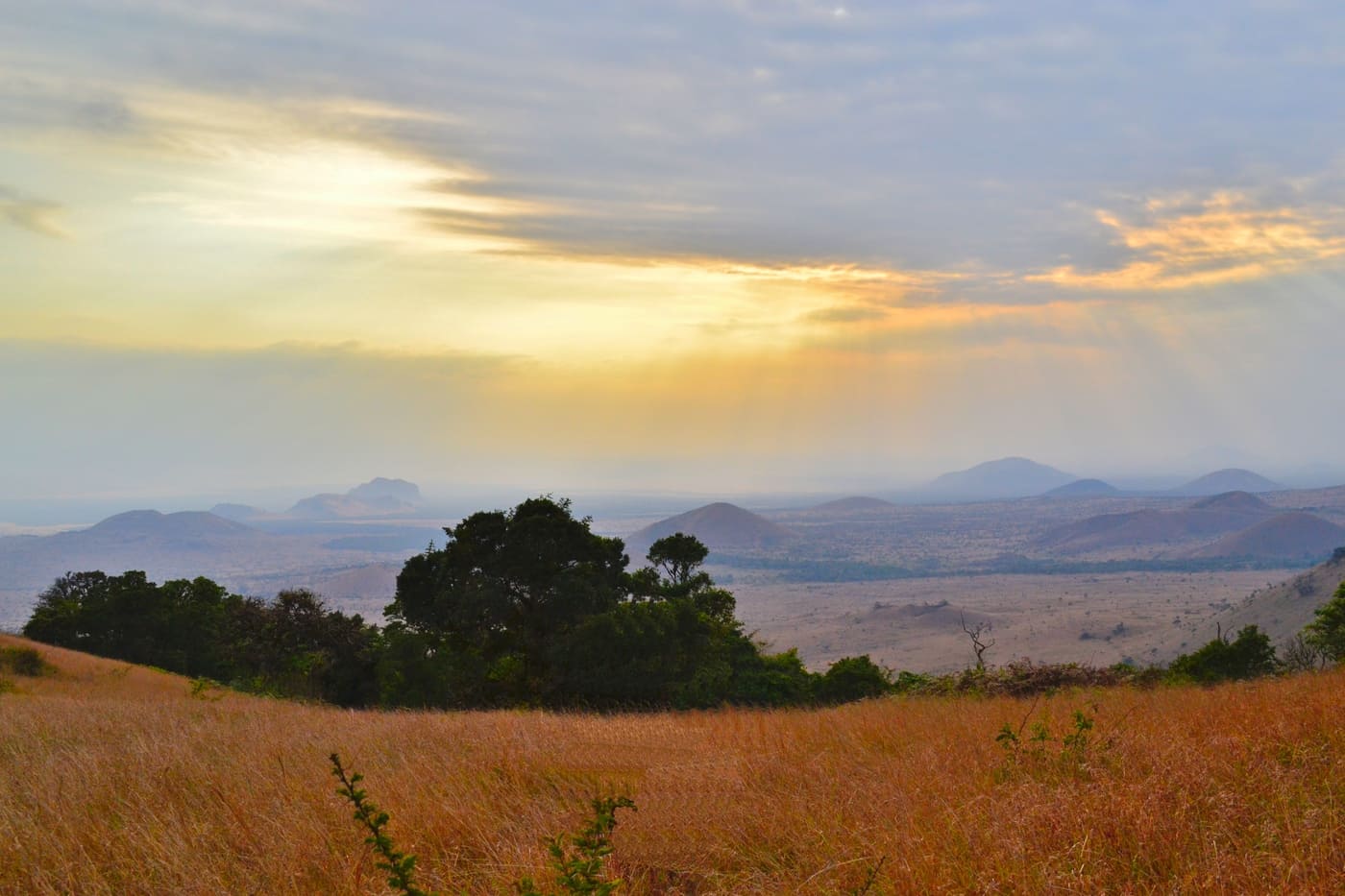
Chyulu Hills
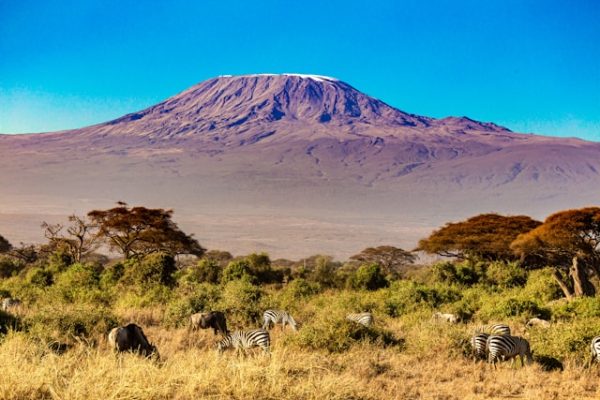
Offers stunning scenery with views of Mount Kilimanjaro
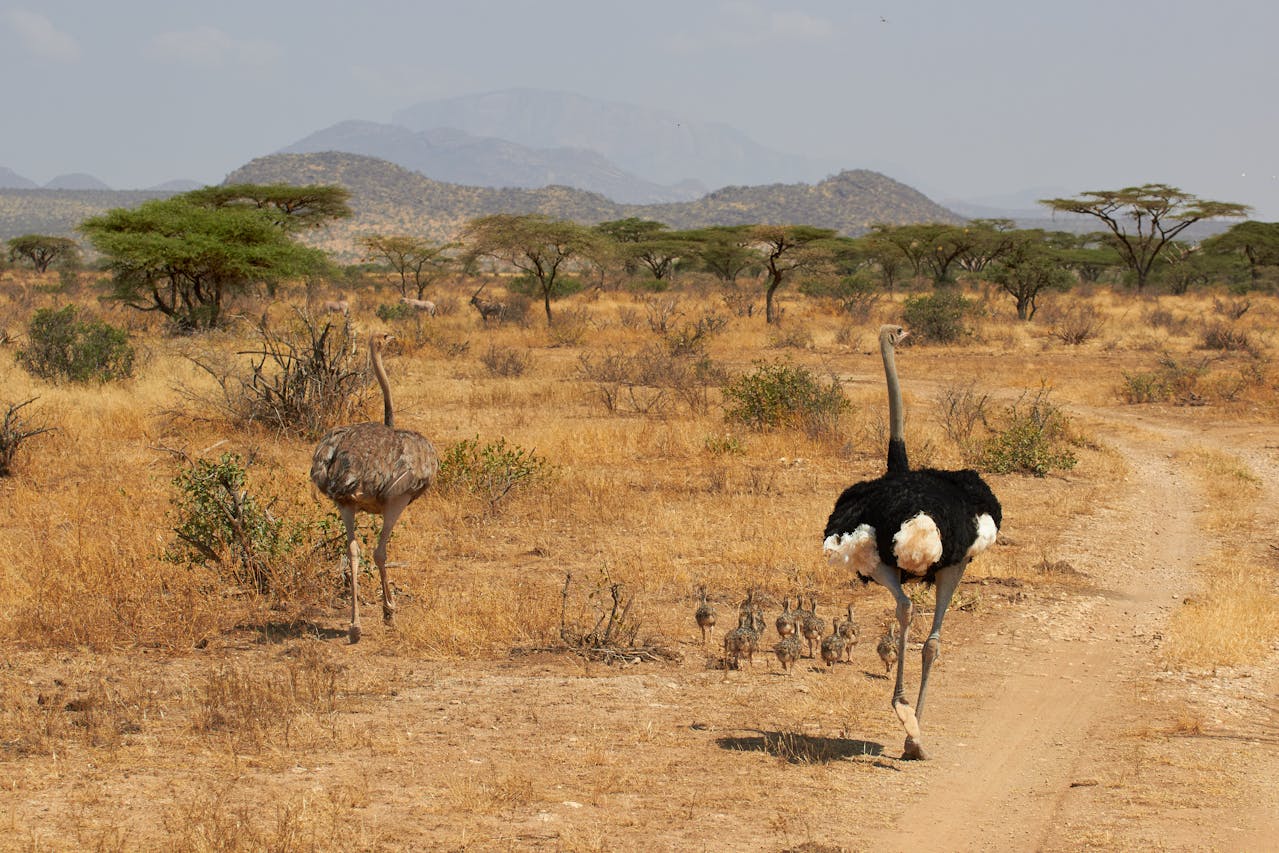
Samburu
A rugged, remote wildlife sanctuary located in the northern part of Kenya
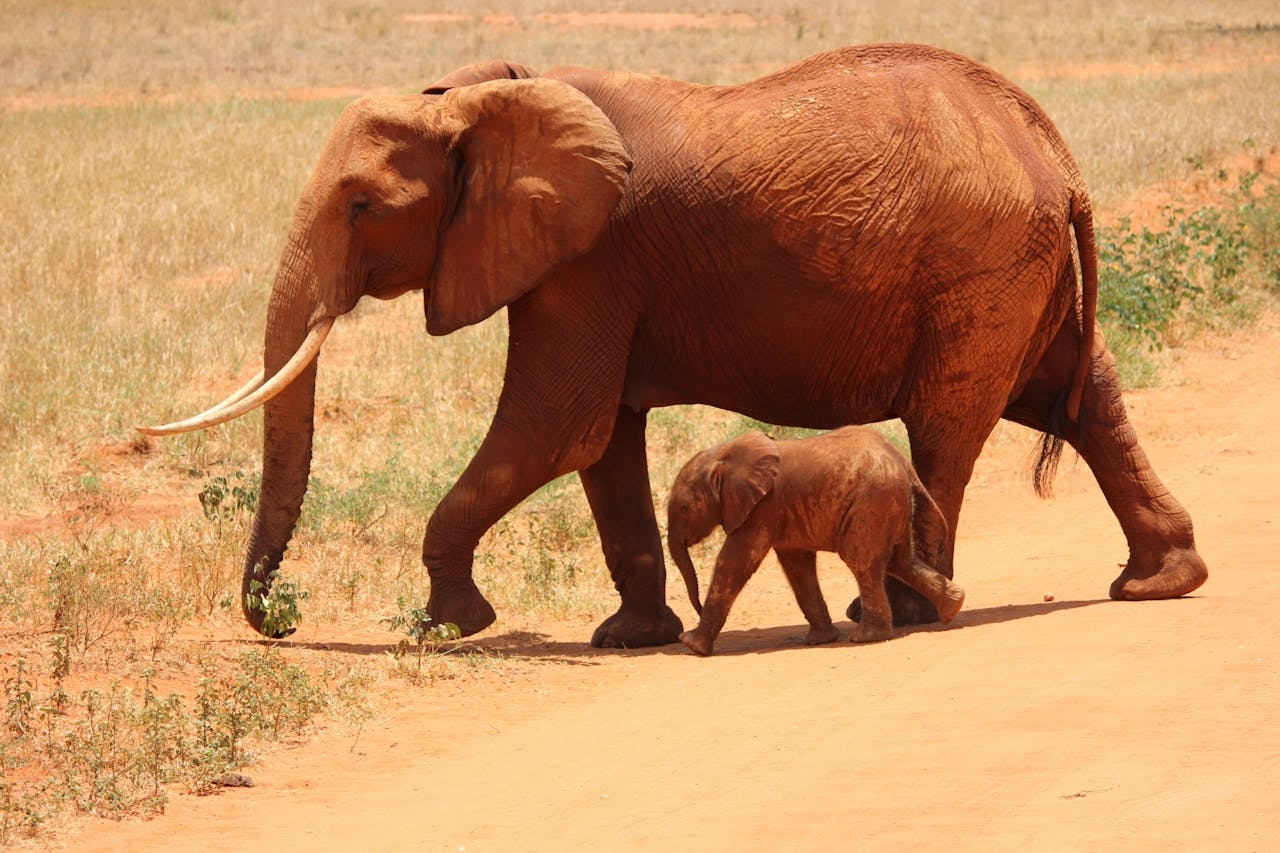
Tsavo East
The largest national park in Kenya with major attraction of red-soiled elephants