
Mount Kenya National Park
Home > National Parks > Mount Kenya National Park
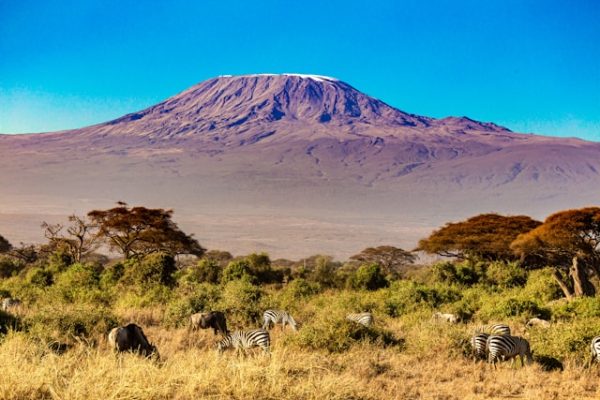
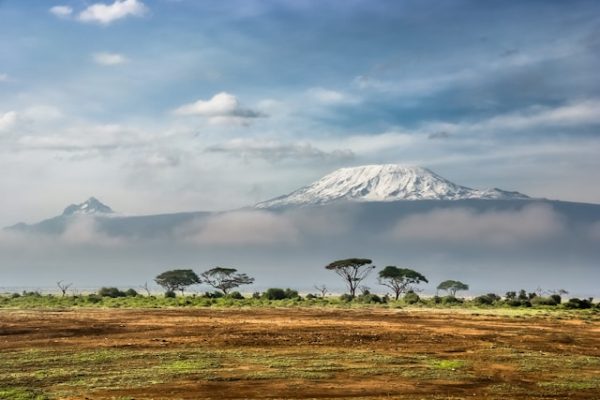
Mount Kenya National Park is a protected area established in 1949 to conserve the magnificent Mount Kenya, the second-highest peak in Africa, and the diverse ecosystem surrounding it. Rising majestically to 5,199 meters (17,057 ft), the mountain is an ancient, extinct volcano that once towered even higher. The park and its surrounding forest were jointly inscribed as a UNESCO World Heritage Site in 1997 due to their outstanding ecological and biological processes, rugged glacier-clad summits, Afro-alpine moorlands, and diverse forests. The mountain also holds immense cultural and spiritual significance for the local communities, including the Kikuyu, Embu, and Meru.
Overview & Location
Mount Kenya National Park is located in central Kenya, straddling the equator about 150 km northeast of Nairobi. The park, encompassing the core area of the mountain above the forest line, covers an area of approximately 715 square kilometers (excluding the surrounding forest reserve).
Wildlife and Biodiversity
Mount Kenya National Park is a biodiversity hotspot, protecting a wide range of rare and endemic species.
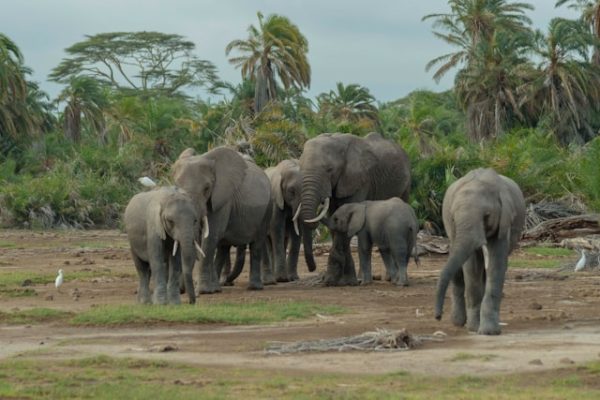
Mammals: The lower forest and bamboo zones harbor species such as elephants, buffaloes, giant forest hogs, leopards, white-tailed mongooses, and various antelopes like bushbucks and black-fronted duikers. Higher up in the moorland, one can find species adapted to the altitude, including the rock hyrax and the endemic Mount Kenya mole-rat. The extended World Heritage Site includes the Lewa Wildlife Conservancy and Ngare Ndare Forest Reserve, which are vital for species like the Grevys’ Zebra (the world’s largest resident population) and serve as a crucial migratory route for African elephants.
Birds: Over 130 bird species have been recorded, including the green ibis (local Mount Kenya race), Ayres hawk eagle, and various sunbirds. The high-altitude areas host specialized species like the alpine swift.
Flora: The unique Afro-alpine flora is a highlight, featuring striking species like the giant groundsels and lobelias, which demonstrate outstanding ecological evolution.
Activities and Visitor Information
The main activity in the park is mountain climbing and high-altitude trekking.
Trekking Routes: The most popular routes to reach Point Lenana include:
Sirimon Route: Considered the most scenic and gradual.
Naro Moru Route: The fastest but often described as boggy in parts.
Chogoria Route: Known for its spectacular views, waterfalls, and lakes like Lake Michaelson.
Wildlife Viewing and Birdwatching: These activities are best enjoyed in the lower, forested, and moorland sections of the park.
Accommodation: Lodging options range from fully-equipped mountain huts (e.g., Old Moses, Shipton’s) along the trekking routes to basic public campsites. There are also self-catering bandas available.
Important Information: Visitors are generally required to enter the park with a qualified and certified guide. The park enforces rules such as a luggage weight limit for porters and a ban on disposable plastic water bottles.
Significance and Conservation
Mount Kenya National Park’s importance lies in its role as a critical water catchment area for a large part of Kenya, its status as a UNESCO World Heritage Site, and its unique biological and geological features. However, the ecosystem faces serious conservation challenges, primarily from climate change leading to rapid glacial recession and the threats of human encroachment and poaching. Ongoing conservation efforts are focused on protecting the forest, monitoring wildlife populations, and promoting sustainable tourism.
Other National Parks
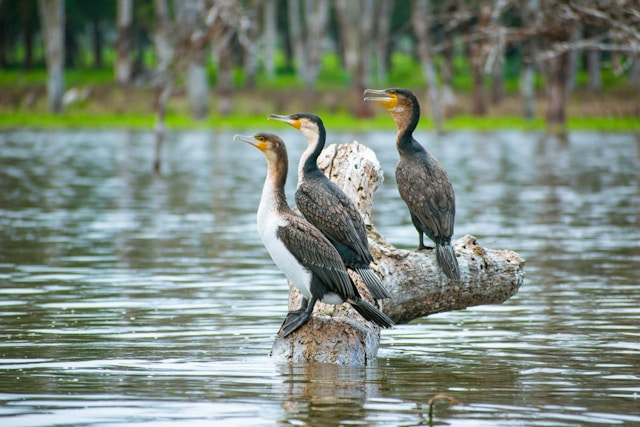
Lake Naivasha
Known for its scenic beauty, being a popular destination for wildlife viewing by boat
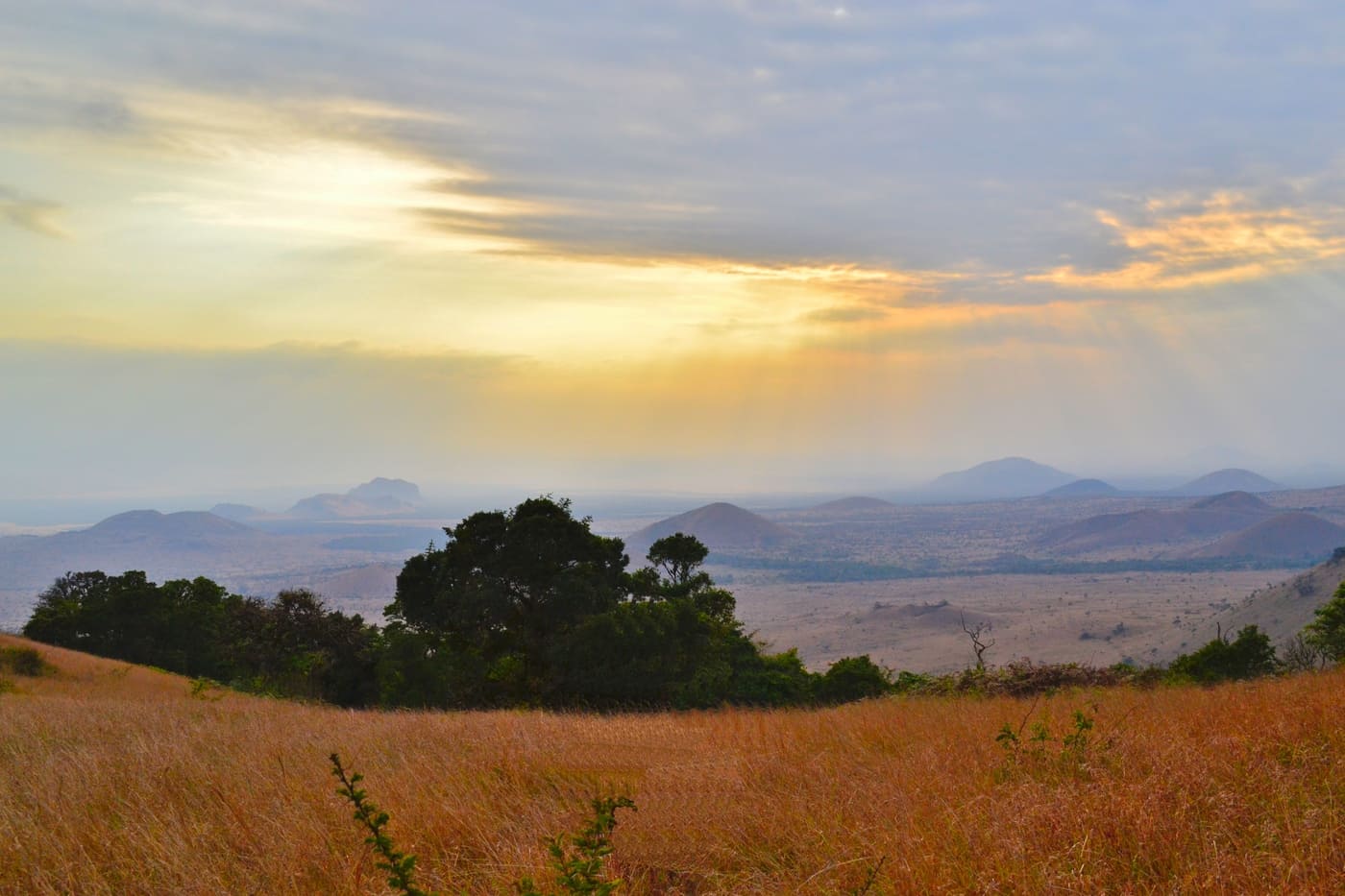
Chyulu Hills
Offers stunning scenery with views of Mount Kilimanjaro
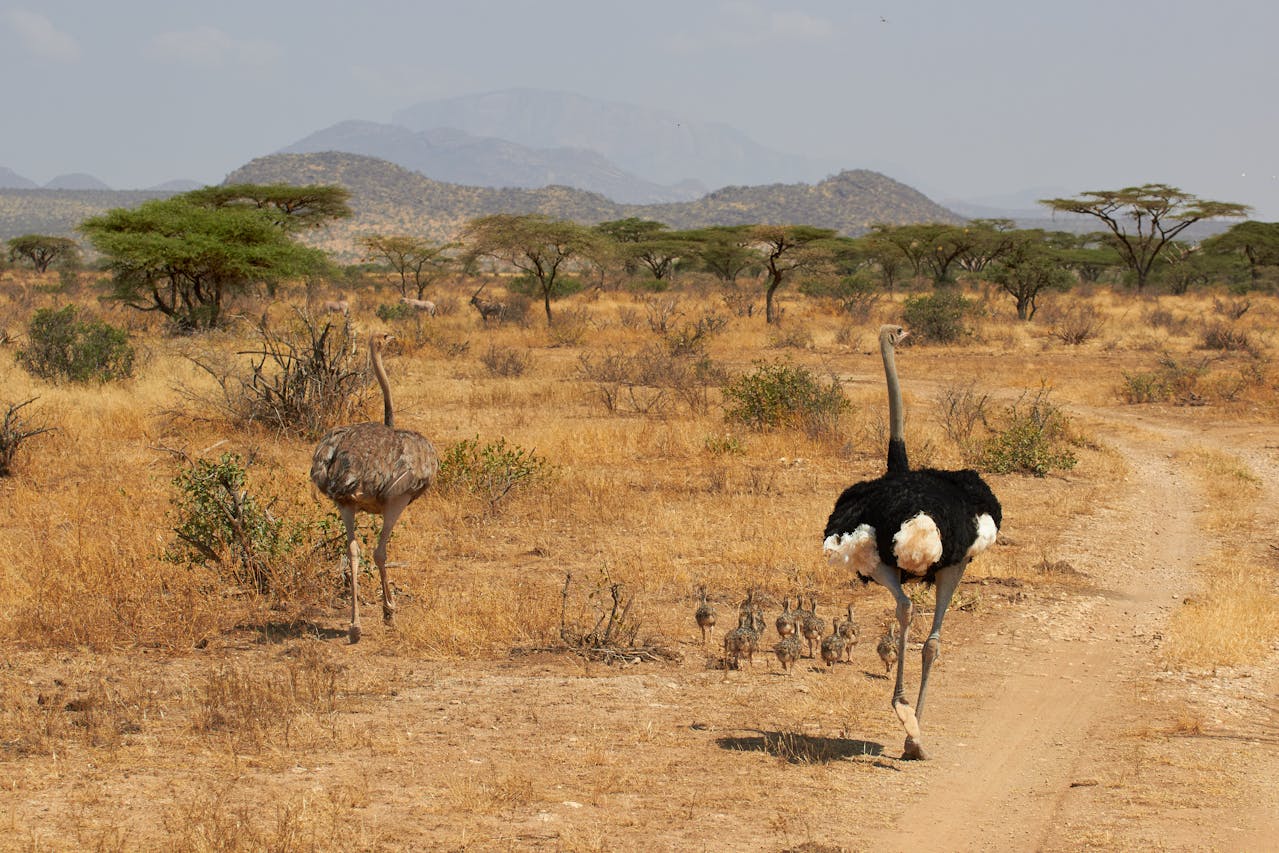
Samburu
A rugged, remote wildlife sanctuary located in the northern part of Kenya
Tsavo East
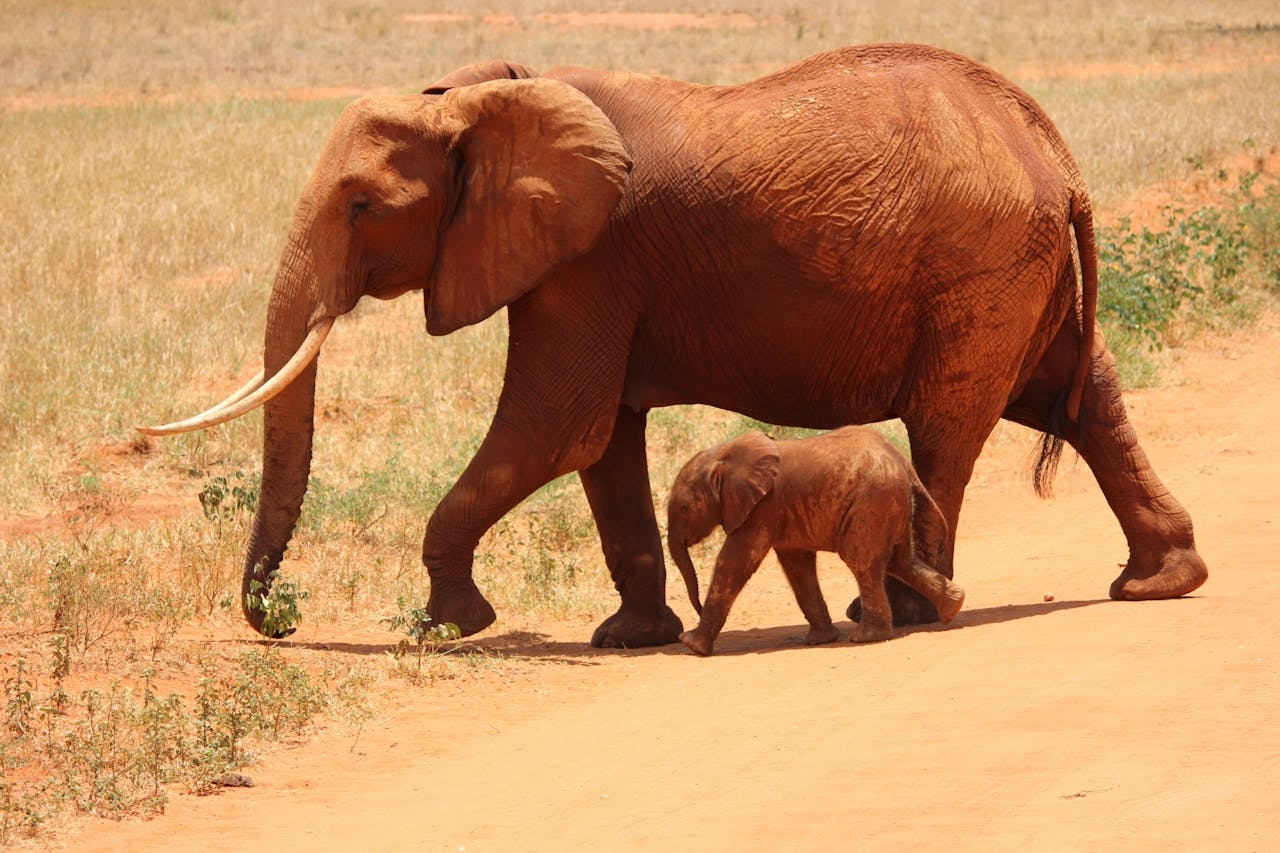
The largest national park in Kenya with major attraction of red-soiled elephants