
Lake Nakuru National Park
Home > National Parks > Lake Nakuru National Park
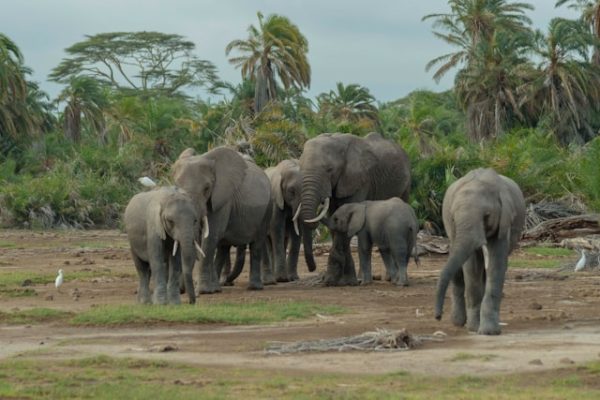
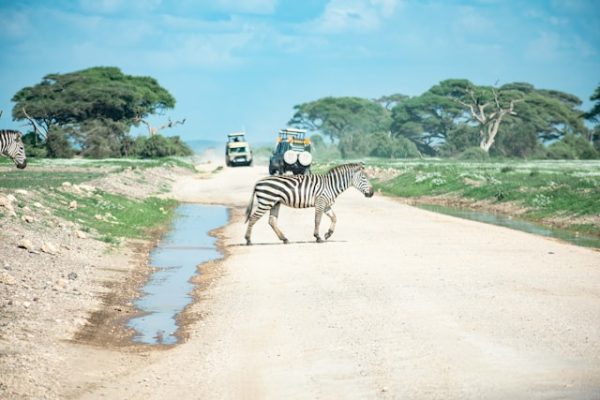
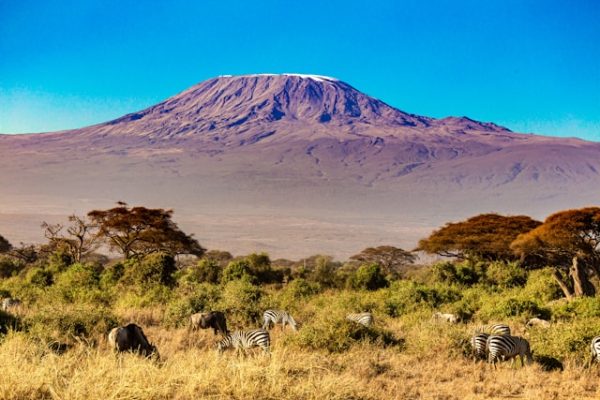
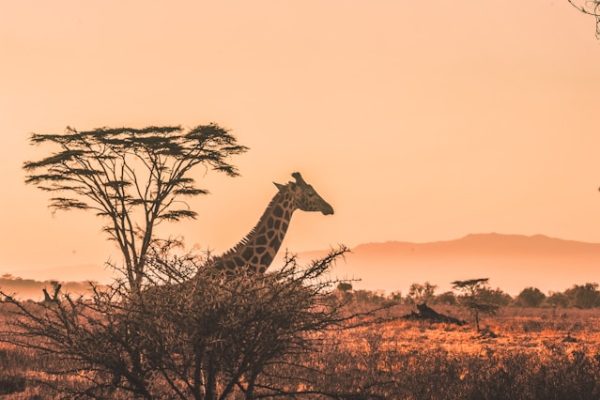
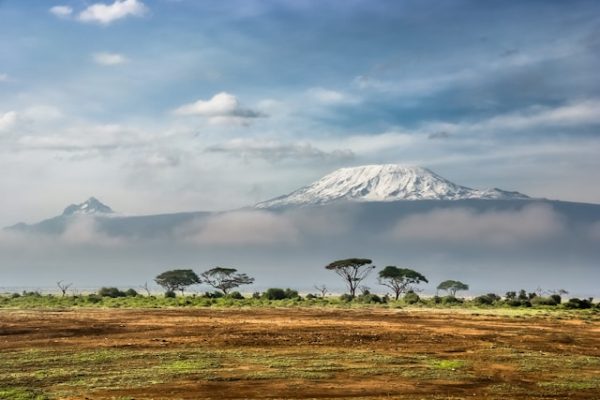
Lake Nakuru National Park is a vital protected area in the Great Rift Valley of Kenya, known for its stunning shallow, alkaline lake, which forms the centerpiece of the park. Established in 1961, initially as a bird sanctuary, the park covers approximately 188 square kilometers and is situated about 164 kilometers north of Nairobi. The park’s landscape features a diverse mix of habitats, including the lake itself, surrounding woodlands, and rocky escarpments. It is managed by the Kenya Wildlife Service (KWS).
The park is world-famous for its massive concentration of Lesser Flamingos, which historically have gathered on the lake’s shores in mesmerizing numbers, often making the water appear pink from a distance—a spectacle that draws nature lovers and photographers globally. However, fluctuating water levels and changes in alkalinity, sometimes exacerbated by climate change, have recently affected the flamingo populations, causing them to move to other Rift Valley lakes.
Wildlife and Conservation
Beyond the renowned flamingos, Lake Nakuru National Park is a crucial sanctuary for a wide array of wildlife, notably its success in rhino conservation. The park hosts over 100 endangered rhinos, distributed between both the black and white rhinos. It is considered one of Kenya’s most successful rhino sanctuaries.
Other significant species that call the park home include the endangered Rothschild’s giraffe. The park also supports a population of the “Big Four” mammals, including lions, leopards, and buffaloes. Visitors can also easily spot other plain animals such as waterbucks, impalas, zebras, and hippos.
The birdlife is exceptionally rich, with over 400 species recorded, contributing to the park’s initial establishment as a bird sanctuary. This includes a variety of pelicans, cormorants, and many migratory and endemic bird species.
History and Significance
Lake Nakuru was declared a conservation area in 1957, with the southern lakeshore becoming a bird sanctuary in 1960 to protect the lesser flamingos. The full national park was established in 1961. Its alkaline waters are a unique ecosystem component, primarily feeding the blue-green algae that the Lesser Flamingos thrive on.
The park’s significance lies in its role as a biodiversity hotspot and a conservation model for endangered species, particularly the rhinos. It’s an essential component of the Great Rift Valley system and provides crucial habitat diversity. However, it faces ongoing threats from human impact, pollution, and the effects of climate change, such as increased flooding and water dilution, which can upset the lake’s fragile alkaline balance.
Activities & Attractions
Visitors to Lake Nakuru National Park can enjoy:
- Game Drives
- Bird Watching
- Viewpoints
- Picnicking
Accommodation options cater to various preferences, including luxury lodges and tented camps located both inside and outside the park, such as Sarova Lion Hill Game Lodge and Flamingo Hill Tented Camp. Numerous tour operators offer organized safaris that include Lake Nakuru, often combining it with other popular Kenyan parks like Maasai Mara and Amboseli.
Lake Nakuru National Park remains a remarkable Kenyan treasure, celebrated for its unique alkaline lake and its successful conservation efforts for the black and white rhinos and Rothschild’s giraffe. While the flamingo population fluctuates, the park’s stunning scenery, diverse wildlife, and critical role in conservation make it an essential stop on any Kenyan safari itinerary.
Other National Parks
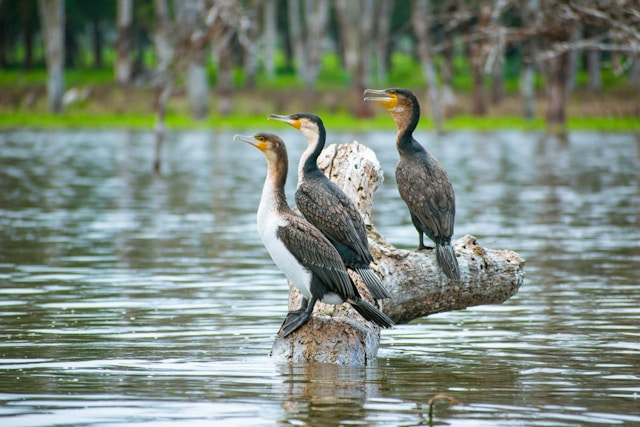
Lake Naivasha
Known for its scenic beauty, being a popular destination for wildlife viewing by boat
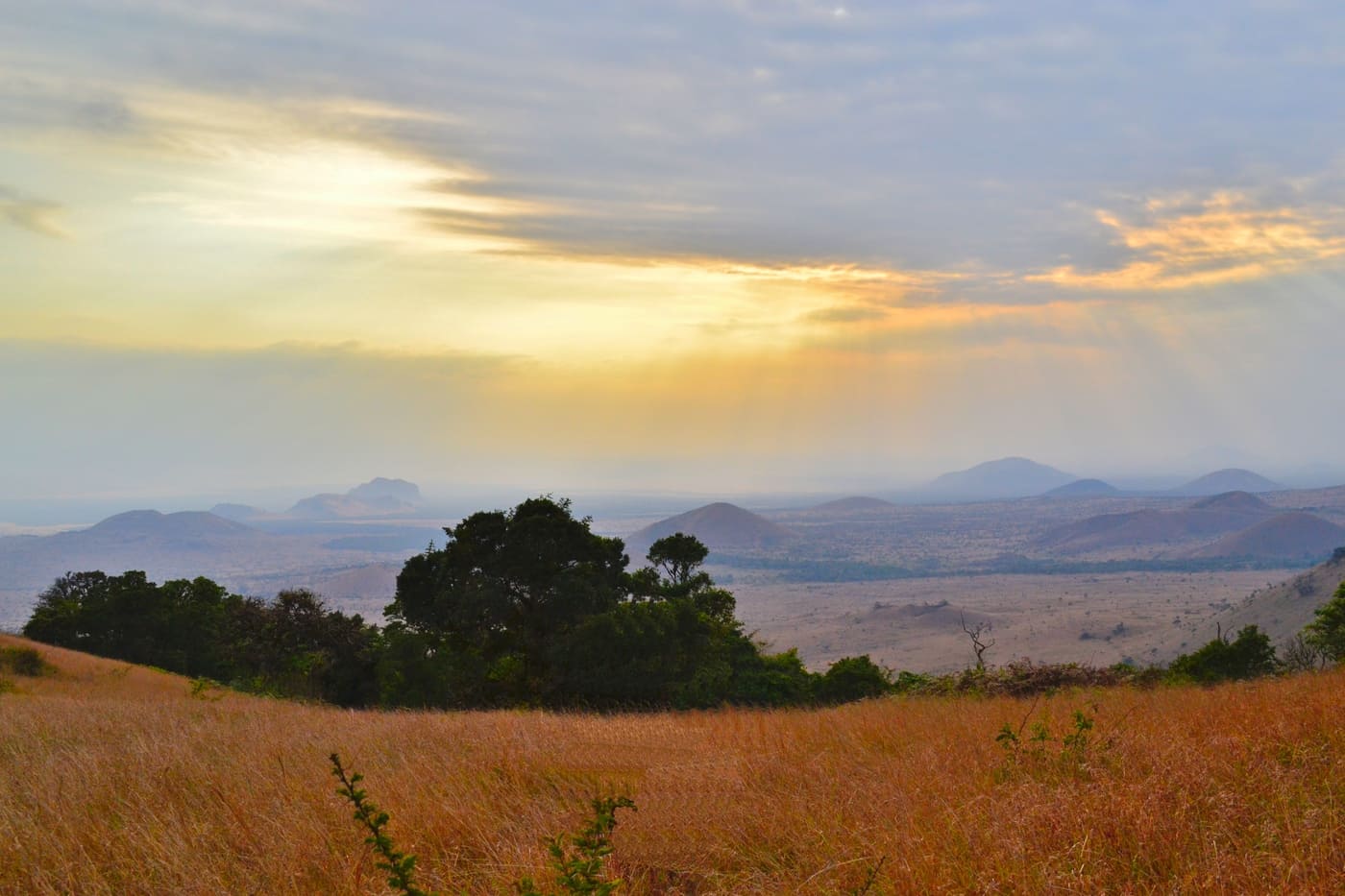
Chyulu Hills
Offers stunning scenery with views of Mount Kilimanjaro
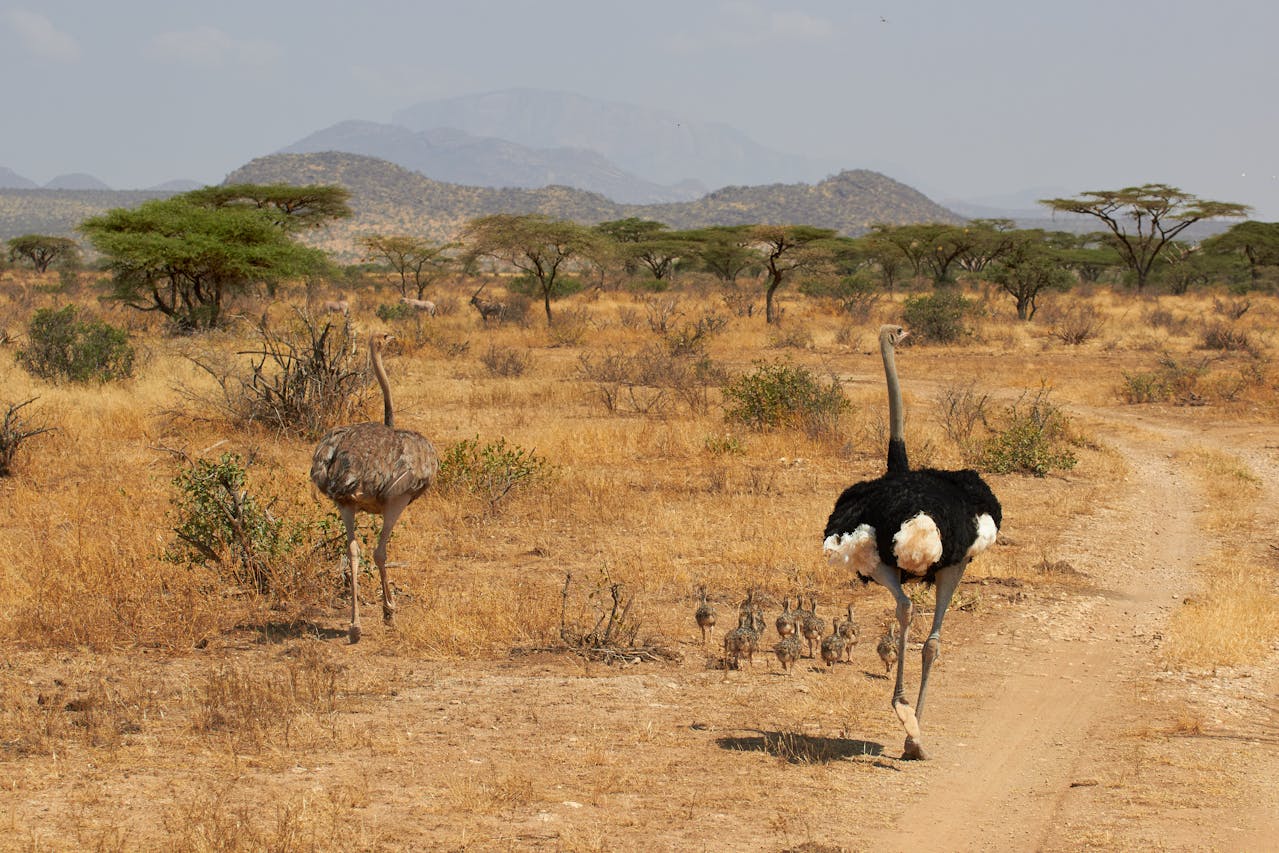
Samburu
A rugged, remote wildlife sanctuary located in the northern part of Kenya
Tsavo East
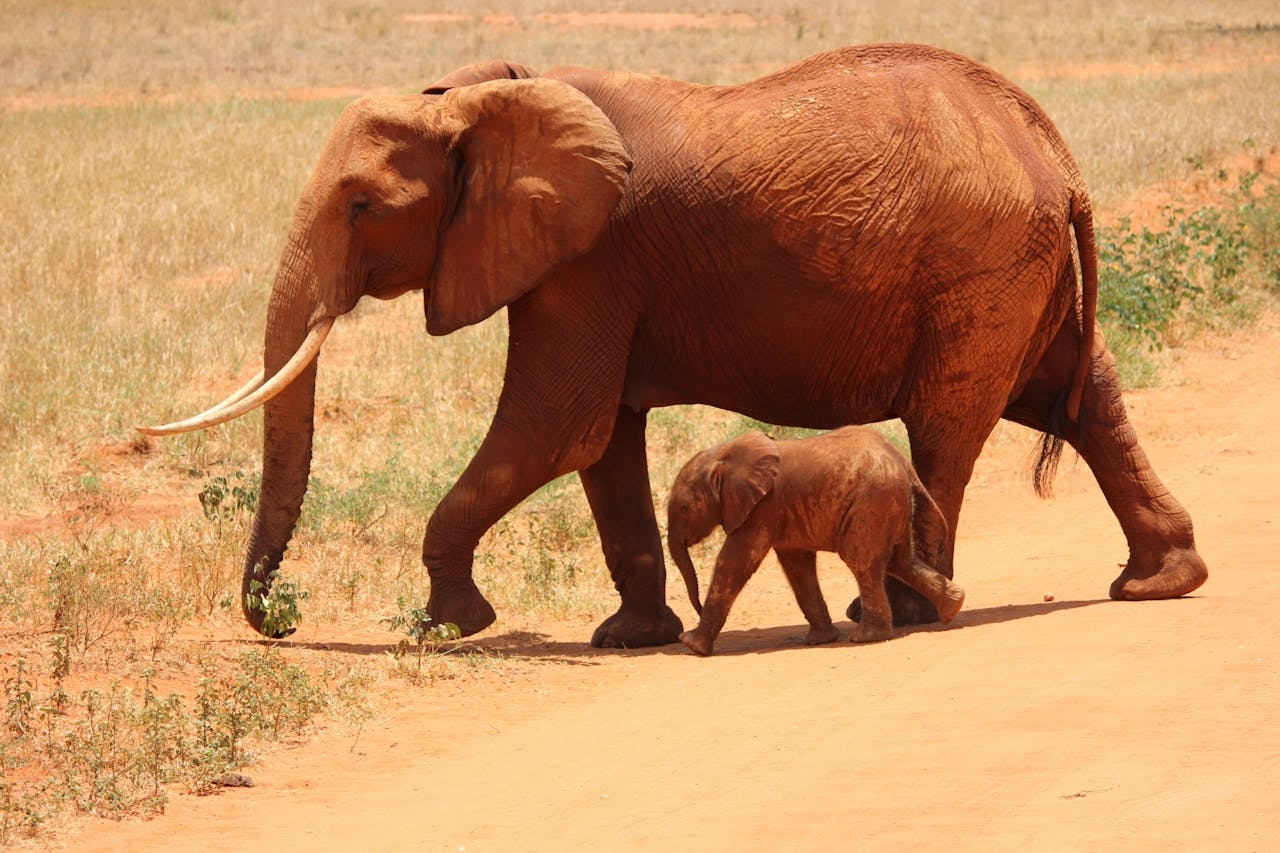
The largest national park in Kenya with major attraction of red-soiled elephants