aanetworksafaris.com

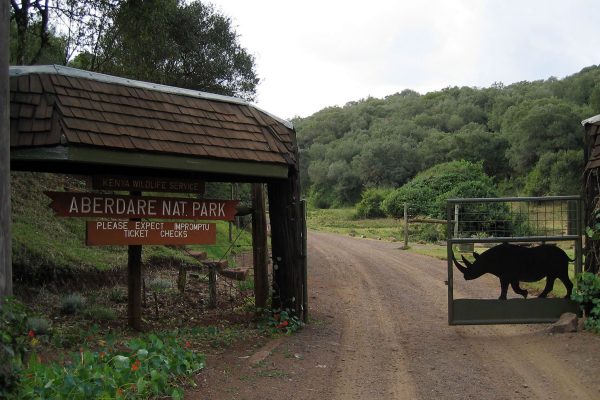
Aberdare National Park

Home > National Parks > Aberdare National Park

Aberdare National Park is a lush, mountainous sanctuary in central Kenya, famed for its misty forests, plunging waterfalls, and rare wildlife. It offers a dramatic contrast to Kenya’s savannahs, making it a unique destination for nature lovers and adventurers alike.

Overview & Location

Nestled in the central highlands of Kenya, Aberdare National Park spans approximately 766 square kilometers and rises from 2,000 to over 4,000 meters above sea level. Established in 1950, the park was created to protect the Aberdare Mountain Range, a vital water catchment area that feeds the Tana and Ewaso Ng’iro rivers

Landscape & Ecosystems

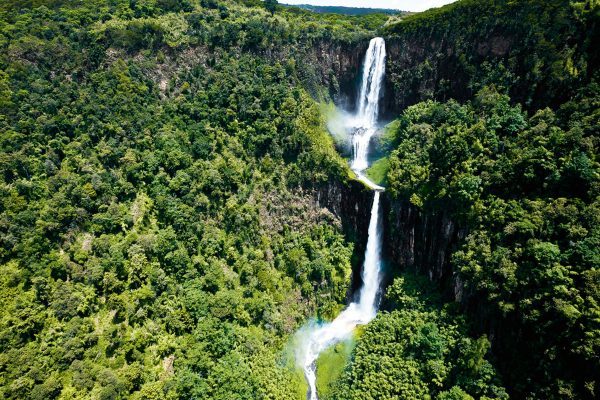
Aberdare is a tapestry of dense rainforests, bamboo groves, moorlands, and alpine meadows, all stitched together by crystal-clear rivers and towering waterfalls. Among its most iconic features are:

  • Karuru Falls: plunging 273 meters, making it one of Kenya’s tallest waterfalls.
  • Gura Falls: another spectacular cascade, roaring through deep forested ravines.
  • Peaks like Ol Donyo Lesatima and Kinangop, which offer panoramic views and challenging hikes

Wildlife Highlights

Aberdare is a haven for wildlife, including:

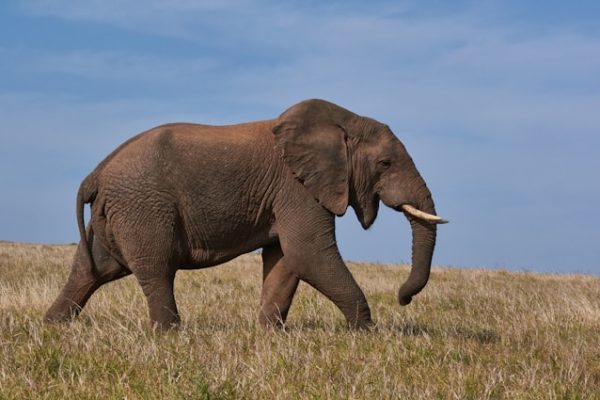
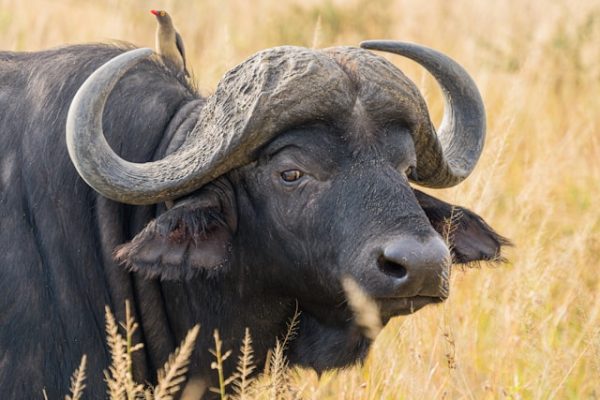
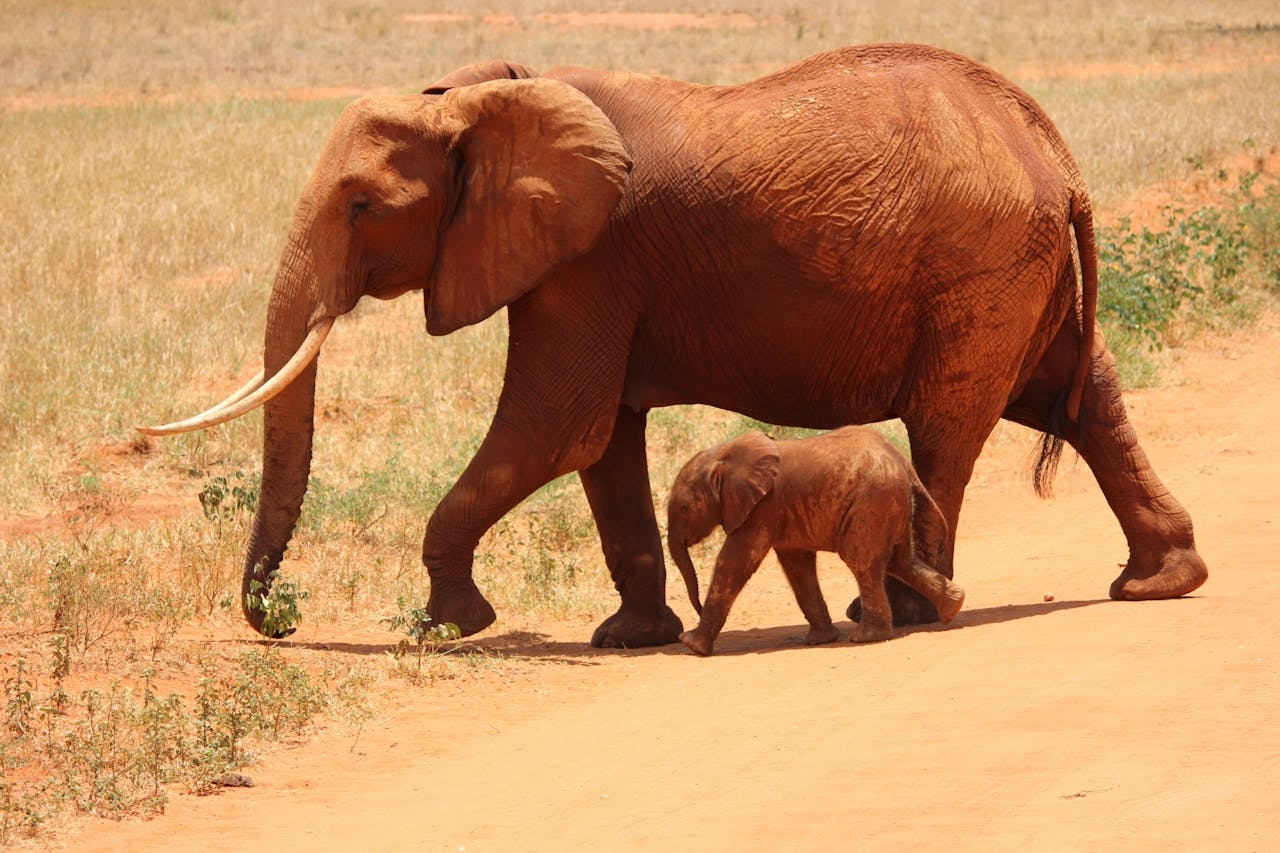
  • Elephants, buffaloes, and black rhinos
  • Elusive predators like leopards, African golden cats, and African wild dogs
  • Rare sightings of bongo antelope, a shy forest-dweller
  • Over 250 bird species, including the Hartlaub’s turaco and mountain buzzard.

The park’s varied altitudes and habitats support this rich biodiversity, making it a key conservation area in Kenya.

Activities & Attractions

Visitors can enjoy:

  • Game drives through forested tracks and open moorlands
  • Hiking and trekking to waterfalls and mountain peaks
  • Fishing in mountain streams stocked with trout
  • Lodging at iconic tree hotels like The Ark and Treetops, where wildlife comes to you at night

Climate & Best Time to Visit

The park’s high elevation means it’s cool and misty year-round, with frequent rainfall. The dry seasons (January–March and July–October) are best for wildlife viewing and hiking.

Other National Parks

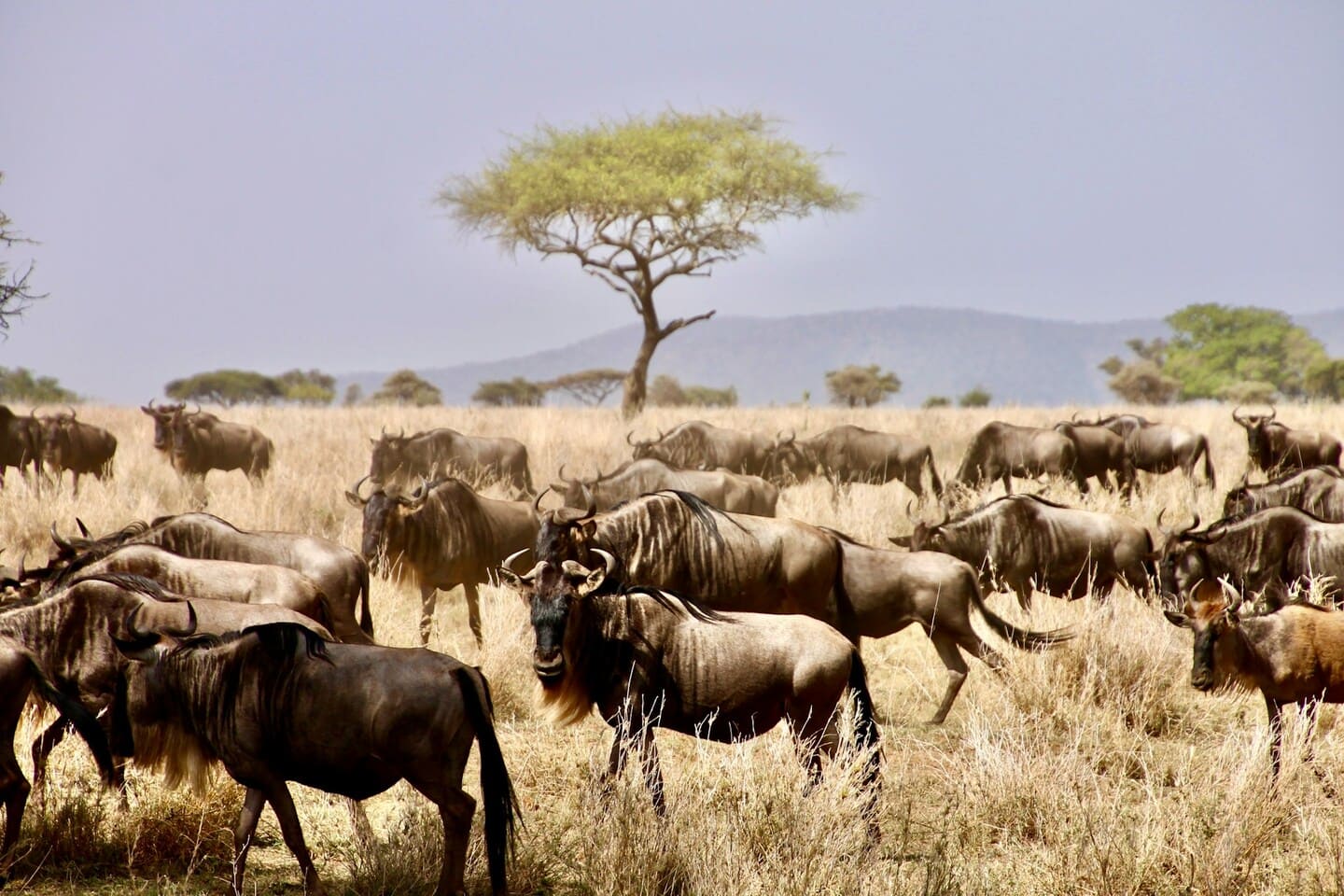
Masai Mara

Best known for yearly Wildebeest migration, big cats and lots of wildlife
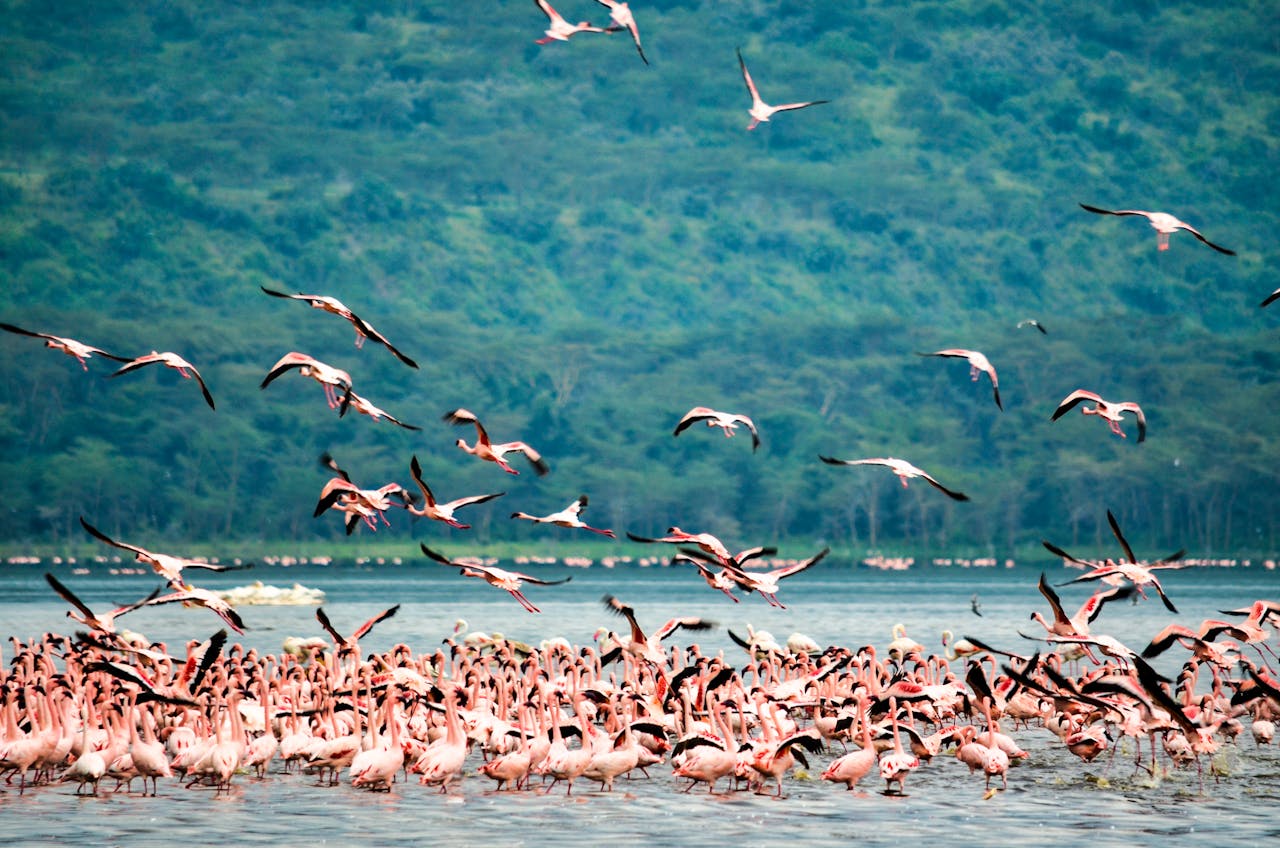
Lake Nakuru

a unique combination of rich biodiversity, stunning scenery, birdlife and wildlife
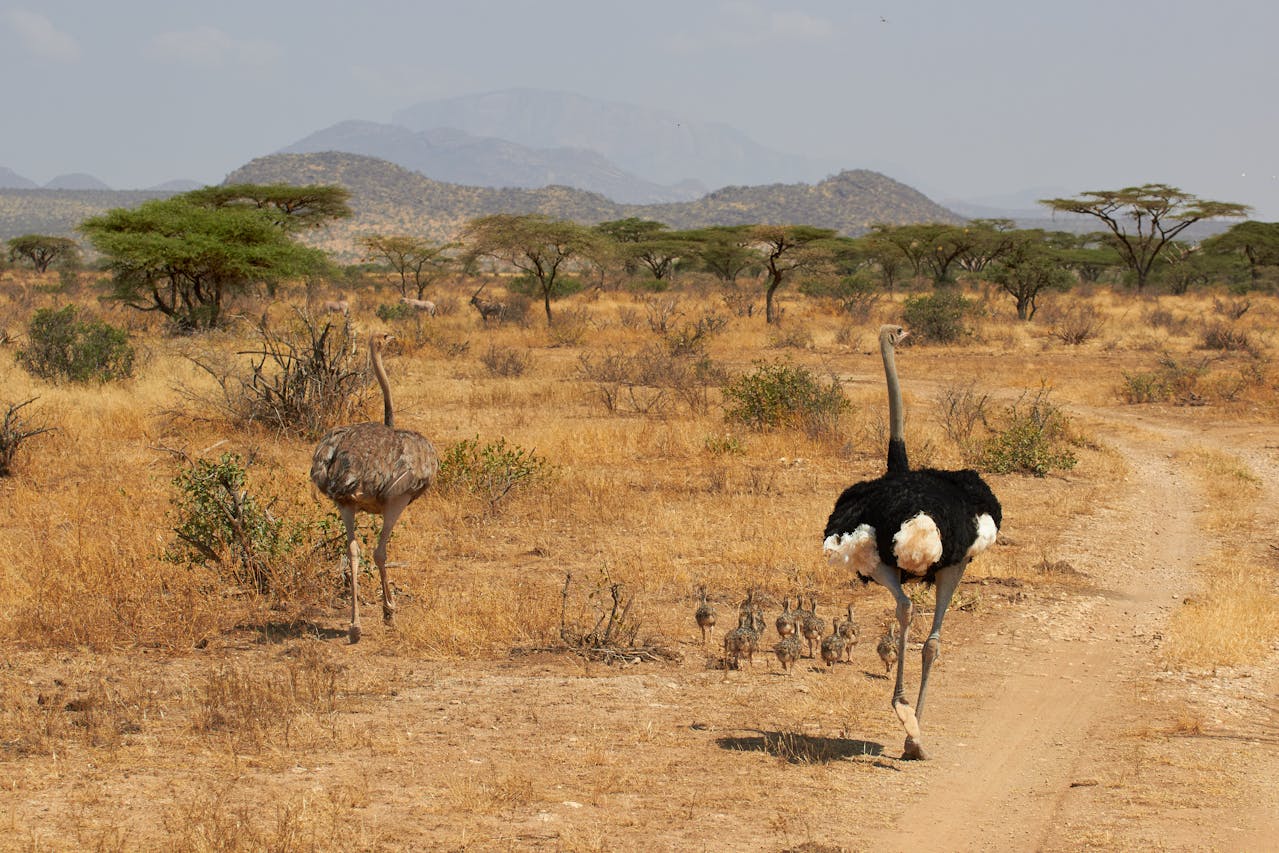
Samburu

A rugged, remote wildlife sanctuary located in the northern part of Kenya
Ol Pejeta Conservancy

Home to the last two remaining northern white rhinos in the world